The Path to Becoming a Certified Welder
Overview
Welding is a skilled trade essential for various industries, with a growing demand for certified welders. To become a certified welder, one should pursue education, choose a specialty, gain hands-on experience, and pass a certification exam. Staying updated with safety practices and continuing education is crucial. Mobile welding offers flexibility, and networking within the welding community can enhance career opportunities. Embrace lifelong learning to remain relevant in this evolving field.
Contents
Welding is a skilled trade with a rich history and a crucial role in various industries. The journey to becoming a certified welder is not just about acquiring techniques; it’s about embracing a full spectrum of knowledge that paves the way for a successful career in metal work. If you're interested in welding, pipe welding, or mobile welding, this article will guide you through the steps required to achieve your certification and thrive in this dynamic field.
Understanding the Basics of Welding
Welding involves the fusion of materials, usually metals or thermoplastics, to create a strong bond. It is essential in manufacturing, construction, and numerous repairs in our daily lives. The demand for qualified welders continues to grow, particularly in sectors like automotive, aerospace, and energy. To establish your career as a certified welder, one must understand the different welding processes such as MIG, TIG, and stick welding.
The Importance of Certification
Achieving welding certification is vital for career advancement. Not only does it demonstrate your skill and commitment to safety, but it also opens doors to higher-paying jobs in various sectors. Employers often seek certified welders because they are equipped with the most current practices and standards. For those looking to embark on a welding career, understanding the importance of welding certification can set the foundation for success.
Steps to Become a Certified Welder
1. Gain the Necessary Education
Most certified welders start with a high school diploma or equivalent. From there, pursuing formal training through vocational schools, community colleges, or apprenticeships is crucial. These programs cover both classroom and hands-on training, teaching aspects like welding theory, safety protocols, and technical skills required for metal repair and pipe welding.
2. Register in a Welding Program
Considering online welding certification programs is also beneficial, especially for those who juggle various commitments. Programs provide flexible learning options while equipping students with essential skills and knowledge. For more insights, check out this informative guide on online welding certification programs.
3. Choose Your Welding Specialty
Welding offers numerous specialties, including MIG welding, TIG welding, and stick welding. One can also focus on specific industries such as shipbuilding, automotive repair, or structural welding. Each specialty might have its own certification requirements, so it's essential to understand the path that aligns with your career goals.
4. Practice and Build Experience
Hands-on practice is fundamental in welding. Enrolling in a program with access to welding setups or even acquiring equipment for your own welding set up is a prudent investment. Continuously honing your skills through real-world projects will not only increase your confidence but also your employability.
5. Take the Certification Exam
After completing your training and gaining practical experience, you will need to take a certification exam. This typically includes both a written test and a practical demonstration of your welding abilities. Passing this exam will grant you the certification needed to start your new career.
6. Keep Up with Continuing Education
Welding technologies and techniques continually evolve, so staying current is crucial. Many certification bodies require welders to renew their certifications every few years. Utilizing resources for continuing education ensures that you're aware of the latest safety standards and technological advancements in the industry. For those seeking to maintain their certification, check out some tips in this article: Stay Certified: Essential Tips to Keep Your Welding Certification Current.
The Role of Mobile Welding
Mobile welding is an emerging field where welders offer on-site services. This flexibility allows contractors and individuals to have their metal work done at their locations, eliminating transportation costs. Becoming proficient in mobile welding requires not only welding skills but also organizational and customer service abilities. Investing in high-quality tools, like a portable welding torch, can enhance your mobile welding capabilities. When setting up for mobile welding, make sure to plan for safety and efficiency in every project.
Safety in Welding
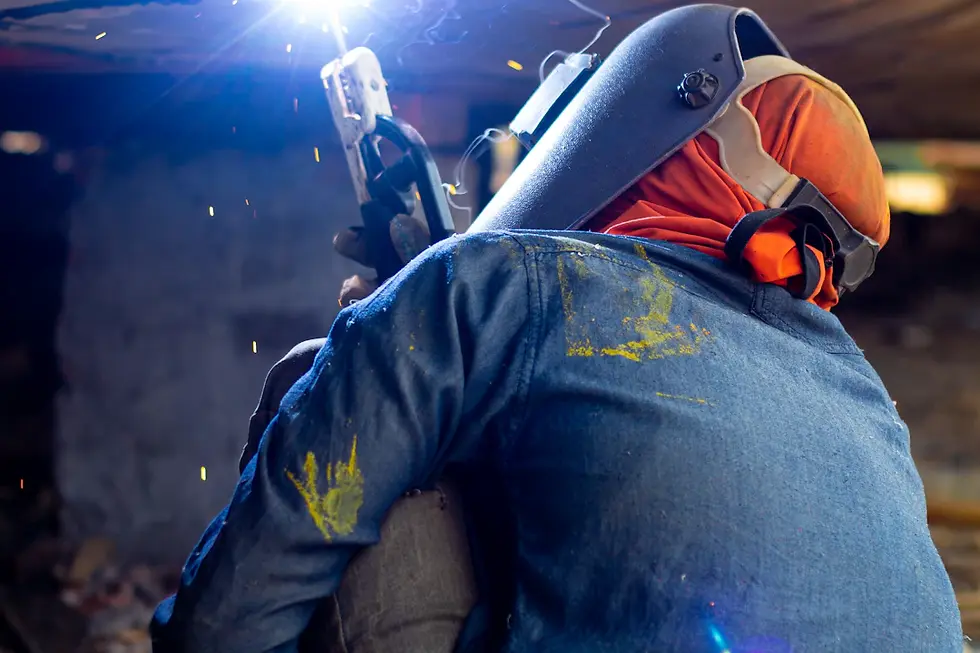
Welding safety cannot be overstated. Protecting oneself from hazards such as intense heat and sparks is paramount. Ensuring the right protective gear, like heat-resistant gloves and welding safety helmets, is essential in preventing injuries. For a durable option, consider the Heat Resistant Gloves or a Welding Safety Helmet to ensure safety during operations.
Networking in the Welding Community
Networking with other professionals in the welding community can lead to job opportunities and collaborations. Joining welding organizations or attending seminars can help you connect with seasoned welders and industry leaders. This connection facilitates mentoring, sharing experiences, and increases awareness of emerging trends in welding—further enriching your journey in the industry. The relationships built within this community could prove to be invaluable in your journey as a certified welder.
The Future of Welding
The future of welding promises innovation and growth. Technologies like automation, robotics, and advanced materials will require skilled personnel who are adaptable. Continuous improvement and adaptation to new methods will be vital for those looking to remain relevant in their careers. By committing to lifelong learning and following regulations, welders can remain ahead of the game and secure their positions in this critical industry.
Embark on Your Welding Journey!
Your journey toward becoming a certified welder encompasses education, practice, and networking. Embracing the steps outlined above will position you for success in this rewarding profession. The welding industry holds vast opportunities for personal and professional growth. Remember, the most valuable asset you have is your dedication to mastering the art of welding. With the right preparations, knowledge, and skills, you can join the ranks of skilled welders and make a remarkable mark in the world of metal repair and fabrication.
Explore these essential tools for your welding journey. Portable Welding Torch and Heat Resistant Gloves.
Related Products
Portable Welding Torch - $80.00 - Lightweight and portable welding torch ideal for on-the-go projects, featuring adjustable flame control.
Heat Resistant Gloves - $30.00 - Durable gloves designed to withstand high temperatures, ensuring safety during welding.
Welding Safety Helmet - $70.00 - Protective welding helmet with adjustable settings for optimal visibility and safety.
FAQs
What qualifications do I need to become a certified welder?
Most certified welders start with a high school diploma or equivalent and pursue formal training through vocational schools or community colleges.
What are the common welding specialties available?
Common welding specialties include MIG welding, TIG welding, stick welding, and specific industries like shipbuilding and automotive repair.
What is the process to obtain a welding certification?
To obtain a welding certification, you need to complete your training, gain practical experience, and then pass a certification exam that includes both a written test and a practical demonstration.
How important is continuing education for welders?
Continuing education is crucial as welding technologies and techniques evolve, and many certification bodies require welders to renew their certifications periodically.
What role does mobile welding play in the industry?
Mobile welding allows welders to provide on-site services, offering flexibility for contractors and individuals while needing strong welding and organizational skills.


Comments