The Critical Role of Safety Procedures in Welding: Protecting Lives and Ensuring Quality

Overview
Welding is crucial across various industries, but safety procedures are essential to protect welders and ensure quality work. Key safety concerns include exposure to harmful gases, electric shock, and fire hazards. Comprehensive safety protocols, including proper training and personal protective equipment (PPE), are necessary to mitigate risks and enhance the quality of welding practices. A culture of safety, led by management, further supports successful welding operations.
Contents
Welding is a complex yet essential process in various industries, from construction to automotive manufacturing. It involves fusing metals together, a task that requires not only skill but also strict adherence to safety protocols. The significance of safety procedures in welding cannot be overstated; they are the backbone that supports the health and well-being of welders, enhances the quality of work, and maintains the overall integrity of projects. In this article, we will explore the importance of safety procedures in welding, how they relate to different types of welding techniques, and why they should be a priority for any welding operation.
Understanding the Basics: What is Welding?
Welding is the process of joining two or more pieces of metal together through heat and pressure. This technique is utilized in a variety of fields, each demanding different welding methods such as pipe welding, mobile welding, and metal repair. Regardless of the type, safety is paramount, as the processes can involve high temperatures, toxic fumes, and potential physical hazards.
The Dangers of Welding
Most people think about the obvious risks related to heat and fire when they consider welding safety. However, the dangers go beyond just burns. Here are several safety concerns that welders face:
Exposure to harmful gases and fumes
Risk of electric shock
Fire hazards due to sparks and heat
Injuries from working in awkward positions
Eye injuries from UV rays or flying particles
One of the primary goals of safety procedures is to mitigate these dangers. Comprehensive safety protocols ensure that welders are equipped with the knowledge and tools necessary to perform their jobs safely.
The Role of Welding Procedures
Welding procedures are not just recommendations; they are essential guidelines designed to standardize safe practices in the field. Developing a solid welding setup requires thorough preparation and attention to detail. Each welding procedure should be designed to minimize risks while ensuring the highest quality of work.
You can learn more about the role of welding procedures in manufacturing by visiting this informative article.
Essential Components of Welding Safety Procedures
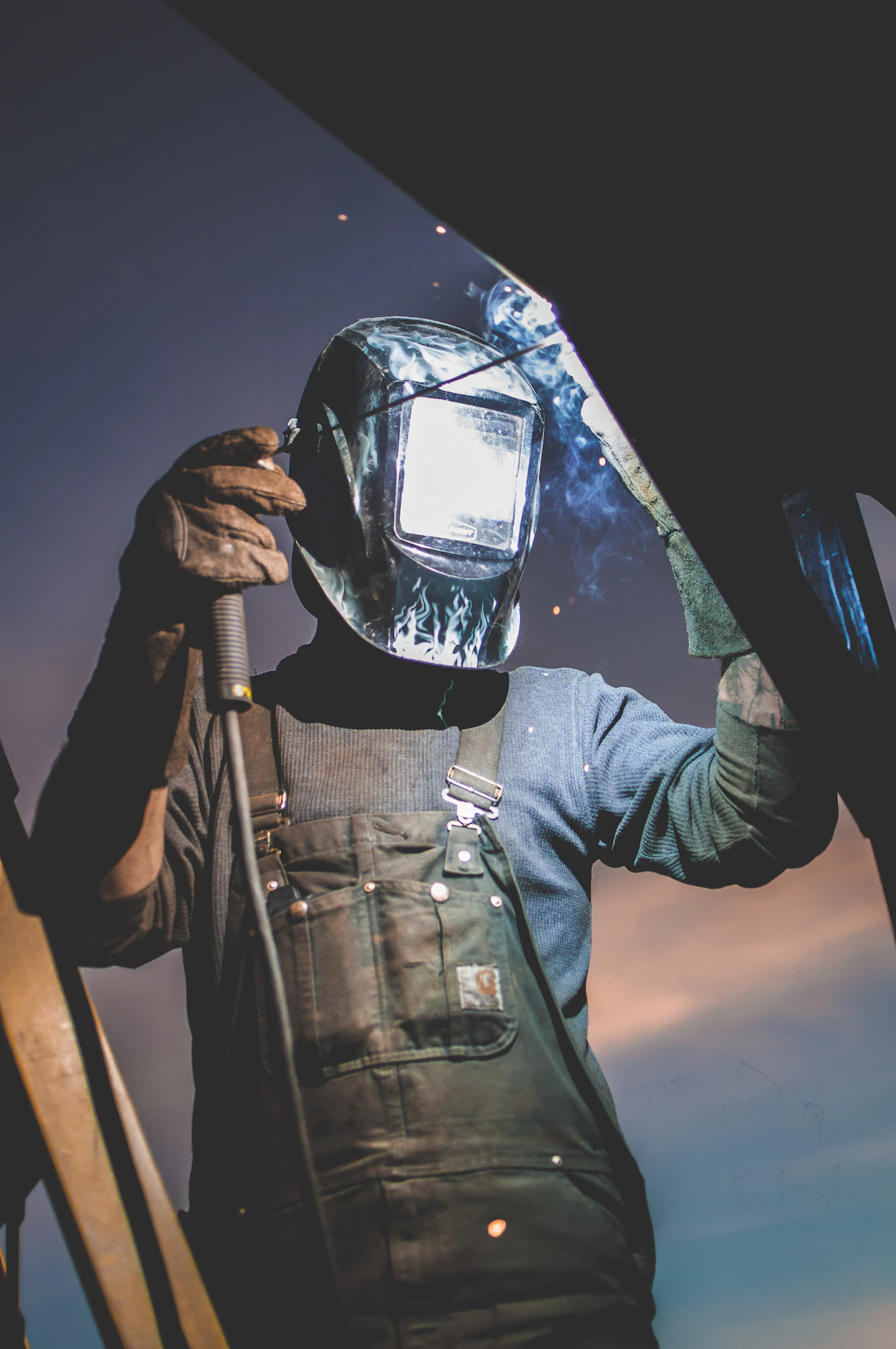
1. Personal Protective Equipment (PPE): Every welder should be equipped with appropriate PPE. This includes:
Welding safety helmets
Protective welding jackets
Heat-resistant gloves
Respirators or masks to avoid inhaling fumes
Choosing high-quality equipment is crucial. For example, a welding safety helmet provides adjustable settings for optimal visibility and safety during the welding process.
2. Safe Work Environment: The workspace should be organized and free of clutter. Fire hazards need to be minimized, and the area should have appropriate ventilation to reduce exposure to hazardous gases.
3. Training and Certification: All welders should undergo comprehensive training programs, including those focused on safety protocols. Knowledge of certification standards is essential for maintaining safety and quality in welding practices.
For further insights into the value of certification and welding procedures, check out this article.
Why Safety Procedures Are Essential for Quality
Safety procedures don't just protect the welder; they ensure the integrity and quality of the welding work itself. This is particularly important in industries where both the strength of joints and the safety of the structures matter. Non-compliance with safety standards can lead to poor weld quality, which may result in catastrophic failures and costly repairs.
Key Benefits of Following Safety Procedures
Adhering to established safety protocols has various advantages:
Enhances Skill Development: Welders trained in safety procedures become more skilled in their craft, resulting in superior quality work.
Builds Confidence: Knowing that safety measures are in place allows welders to focus on their tasks without unnecessary fear.
Reduces Downtime: Safety procedures help to minimize workplace accidents, thus reducing downtime and associated costs.
Legal Compliance: Adhering to safety protocols ensures compliance with industry regulations, protecting companies from legal repercussions.
This is why organizations and businesses prioritize the establishment and enforcement of proper welding procedures—they lead to successful project completion and a safer work environment.
Safety Protocols in Various Welding Techniques
Different welding techniques may come with varying risks and safety protocols. Let's examine some major welding types and how safety procedures vary:
1. Pipe Welding
Pipe welding is commonly used in the construction of pipelines and is notorious for its safety challenges, including awkward body positions and exposure to hazardous substances. Welders in this field should always assess the worksite for potential hazards before commencing tasks.
2. Mobile Welding
Mobile welding jobs come with unique challenges, as they often require welders to operate in various environments. Safety measures must account for the specific conditions of each site, including proper ventilation and fire protection. Backup safety gear is also crucial for unforeseen circumstances.
3. Metal Repair
In metal repair, the importance of safety procedures cannot be stressed enough. Welders need to be especially mindful of potential leaks or residual toxins in pre-owned metals. Safety procedures ensure that proper assessments are performed before welding begins.
Creating a Culture of Safety in Welding
Fostering a culture of safety in welding operations begins with leadership. Management should lead by example, demonstrating commitment to safety practices while encouraging open communication among team members. Regular safety meetings and assessments can also strengthen this culture.
Welder training programs focused on ethics, such as the importance of welding ethics, can enhance this culture by making safety a shared responsibility.
Ensuring Long-Lasting Success with Strong Safety Procedures
In conclusion, the ramifications of overlooking safety procedures in welding can be far-reaching and detrimental, not only to the welders but also to the quality of the work produced. Comprehensive training, adherence to guidelines, and fostering a culture of safety are not merely options; they are necessities. Investing in quality protective gear, such as protective welding jackets and heat-resistant gloves, can significantly enhance a welder's safety and performance. We must commit to maintaining high safety standards to achieve excellence in every welding procedure. Embracing safety is not just good practice; it's the fabric of quality and success in the welding industry.
Explore these safety essentials for your welding projects. Welding Safety Helmet and Heat Resistant Gloves.
Related Products
Welding Safety Helmet - $70.00 - Protective welding helmet with adjustable settings for optimal visibility and safety.
Heat Resistant Gloves - $30.00 - Durable gloves designed to withstand high temperatures, ensuring safety during welding.
Protective Welding Jacket - $90.00 - Lightweight and flame-resistant welding jacket, providing comfort and protection.
FAQs
What is the significance of safety procedures in welding?
Safety procedures in welding are essential for protecting the health and well-being of welders, improving work quality, and maintaining the integrity of projects.
What are some common dangers faced by welders?
Welders face several dangers, including exposure to harmful gases and fumes, risk of electric shock, fire hazards, injuries from awkward positions, and eye injuries from UV rays or flying particles.
Why are welding procedures important?
Welding procedures are vital as they standardize safe practices, minimize risks, and ensure the highest quality of work in different welding techniques.
What are the key components of welding safety procedures?
Key components include personal protective equipment (PPE), a safe work environment, and comprehensive training and certification for welders.
How can a culture of safety be created in welding operations?
A culture of safety can be fostered by leadership commitment, encouraging open communication, conducting regular safety meetings, and implementing training programs focused on safety ethics.
Comments