The Importance of Welding Procedures in Manufacturing: The Backbone of Quality and Safety

Overview
Welding procedures are essential in manufacturing for ensuring quality, safety, and efficiency. Proper procedures enhance weld quality, promote safety, comply with regulations, and boost productivity. Key areas include welding setup, mobile welding, metal repair, and pipe welding. Maintaining documentation and certifications is crucial for compliance and training. Investing in proper training and tools will strengthen manufacturing operations and adaptability to future challenges.
Contents
Welding procedures play a critical role in the manufacturing industry, serving as the backbone for quality, safety, and efficiency. Whether it's a small manufacturing company or a large industrial facility, understanding and implementing proper welding procedures is essential. By standardizing methods and promoting best practices, companies can enhance their operational efficiency, reduce waste, and ensure the final products meet stringent industry standards. In this article, we will explore the significance of welding procedures, focusing on the elements of welding set up, the rise of mobile welding, and the importance of metal repair and pipe welding.
Why Welding Procedures Matter
The welding process is intricate, involving various techniques, equipment, and safety protocols. Proper welding procedures ensure that the quality and integrity of the welds are maintained throughout production. This is especially crucial in high-pressure environments like oil and gas pipelines, where pipe welding is common.
Here are a few reasons why welding procedures are paramount:
Quality Control: Adhering to established welding procedures helps maintain uniformity in weld quality, minimizing defects that can lead to costly reworks or project delays.
Safety: A well-documented welding procedure outlines safety protocols, ensuring that welders are protected from harmful conditions and reducing workplace accidents.
Compliance: Many industries, such as aerospace and automotive, have stringent regulations that require certified welding procedures to comply with standards set by governing bodies.
Efficiency: Streamlined welding procedures can enhance productivity, allowing manufacturers to complete projects more quickly and efficiently.
The Essentials of Welding Set Up
The term "welding set up" encompasses the preparation needed before initiating a welding project. This includes choosing the right welding equipment, ensuring proper ventilation, and organizing the workspace. A proper welding set up is vital to success and encompasses critical elements such as:
Equipment Selection: Choosing the right tools for the job greatly influences the quality of the weld. For instance, using a portable welding torch can significantly improve mobility and ease, particularly for jobs that require moving from one location to another.
Material Preparation: Properly preparing the materials to be welded involves cleaning, cutting, and aligning them accurately. This step is crucial to ensure strong, reliable welds.
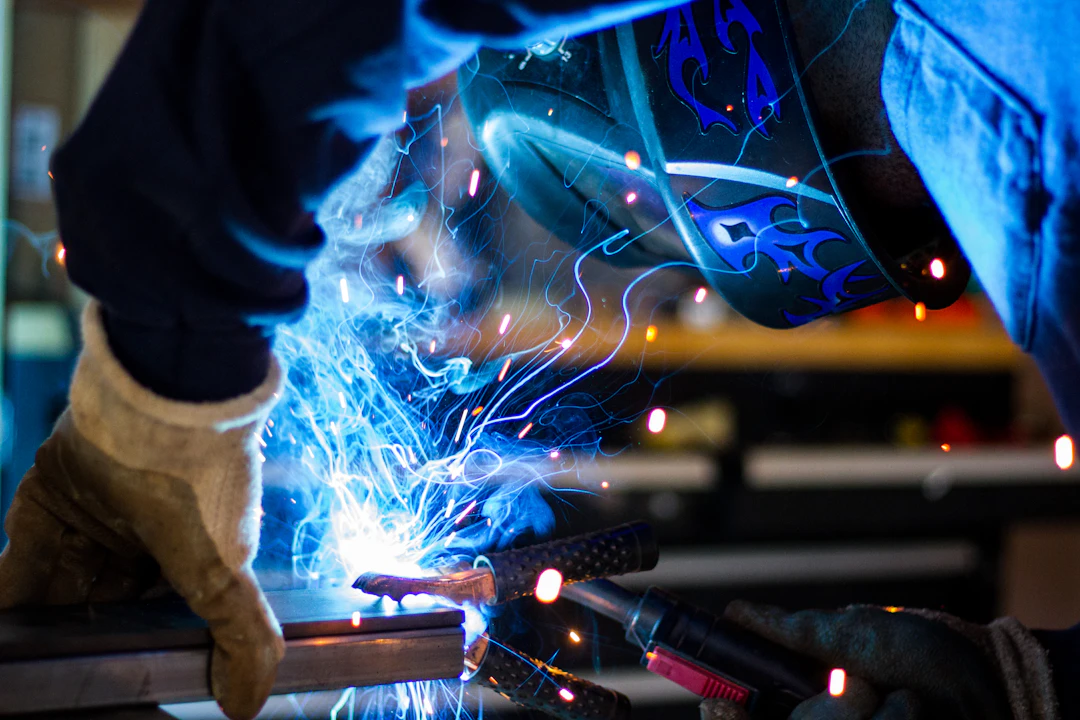
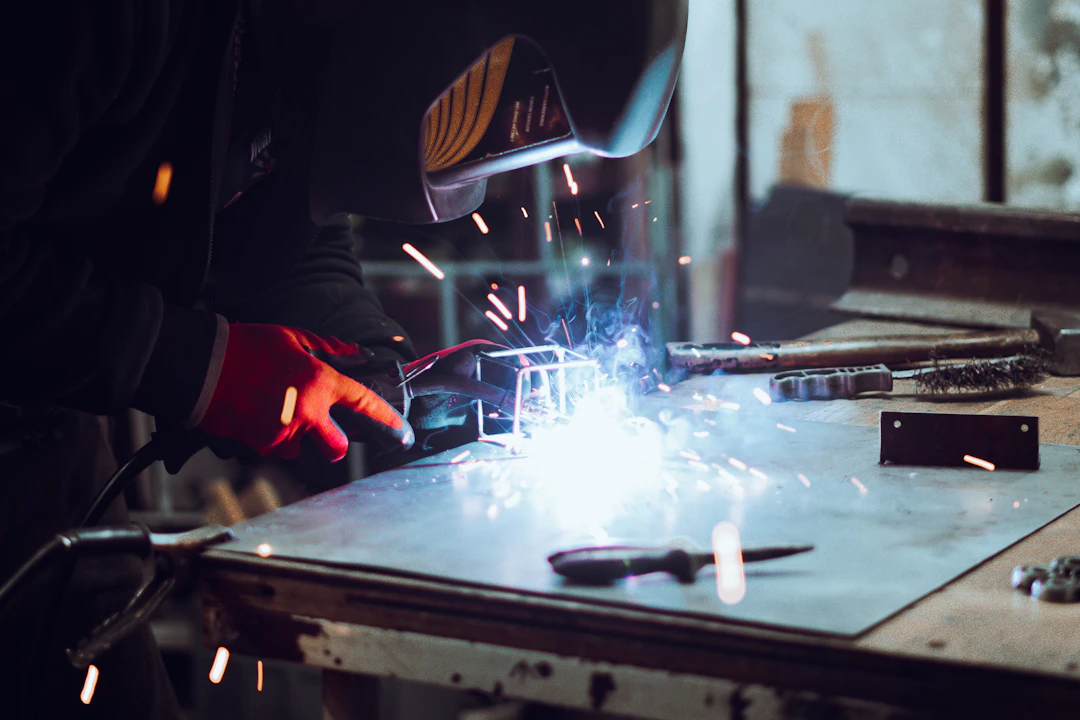
Safety Gear: Personal protective equipment (PPE) such as helmets, gloves, and respiratory masks should always be part of the welding set up to safeguard welders from hazards.
Environmental Considerations: The work environment must be safe and appropriate for welding, including ensuring good ventilation and eliminating flammable materials nearby.
Embracing Mobile Welding
As industries evolve and adapt to changing demands, mobile welding is becoming more popular. The convenience of on-site welding reduces transportation costs and enhances operational efficiency. Mobile welding allows companies to perform repairs or fabrication at various locations, which can be especially beneficial in industries like construction and repair.
When implementing mobile welding, it's essential to follow established welding procedures to maintain quality and safety standards. By sending qualified welders equipped with the right tools and following proper procedures, manufacturers can ensure the quality of their work—no matter the location.
Understanding Metal Repair
Metal repair is an integral part of the manufacturing process, as wear and tear can lead to significant issues if not addressed promptly. Effective welding procedures have a direct impact on the quality of metal repairs. Some critical aspects include:
Defect Identification: Proper procedures help ensure that all defects are accurately identified and documented, which is crucial for effective repairs.
Reinforcement Techniques: Techniques such as layering may be used in metal repair to enhance the strength of the repair and prolong the life of the component.
Documentation: Keeping detailed records of repairs increases accountability and aids in future assessments.
The Role of Pipe Welding in Manufacturing
Pipe welding is a specialized discipline within welding that requires specific procedures due to the unique stresses that pipes face in various applications. Whether dealing with high-pressure environments in the oil and gas industry or plumbing systems in construction, maintaining proper weld procedures for pipe welding is non-negotiable. Here are essential factors to consider:
Joint Preparation: Proper joint design and preparation are keys to successful pipe welding, ensuring the welded joints can withstand the operational demands placed upon them.
Welding Techniques: Common techniques such as TIG, MIG, and Stick welding are utilized depending on the pipe material and required strength.
Inspection and Testing: Implementing a solid inspection and testing procedure after welding ensures that each welded joint meets industry quality standards.
Certifications and Record Keeping
Maintaining records of welding procedures and training is critical for manufacturing firms. These documents serve not only as proof of compliance with industry regulations but also as a resource for training new welders. A culture of documentation reduces risks and enhances quality assurance.
For a deep dive into the importance of qualified welders and certifications, check out this insightful article here.
Strengthening Your Manufacturing Future
As the manufacturing landscape continues to evolve with technological advancements, the importance of proper welding procedures cannot be overstated. They are essential for fostering quality, ensuring safety, and maintaining compliance in today's demanding industrial environment. By investing in training programs and creating a culture of quality control, manufacturers can strengthen their operational foundation.
To elevate your welding capabilities, explore essential training programs that focus on welding procedures and certifications. Visit our blog on key training opportunities in the welding industry.
Furthermore, ensuring that your team is equipped with the necessary tools is essential for effective welding. For example, our heavy-duty welding torch is specifically designed to meet the needs of rigorous industrial welding tasks, ensuring precision and durability for every project.
By prioritizing welding procedures and fostering a commitment to excellence, your manufacturing enterprise can not only thrive but also adapt to future challenges with confidence. Start today, and make welding procedures the cornerstone of your success!
Explore these essential welding tools to enhance your projects. Portable Welding Torch and Heavy Duty Welding Torch.
Related Products
Portable Welding Torch - $80.00 - Lightweight and portable welding torch ideal for on-the-go projects, featuring adjustable flame control.
Heavy Duty Welding Torch - $150.00 - A robust welding torch designed for heavy-duty applications, ensuring precision and durability.
Galvanized Steel Pipe - $120.00 - Galvanized steel pipe offering excellent strength and durability for various applications.
FAQs
What is the importance of welding procedures in manufacturing?
Welding procedures are crucial in manufacturing as they ensure quality, safety, and efficiency. They standardize methods, enhance operational efficiency, reduce waste, and ensure products meet industry standards.
How do welding procedures contribute to quality control?
Adhering to established welding procedures helps maintain uniformity in weld quality, which minimizes defects that can lead to costly reworks or project delays.
What role does mobile welding play in the industry?
Mobile welding allows for on-site repairs and fabrication, reducing transportation costs and enhancing operational efficiency, especially in industries like construction.
Why is documentation important in welding procedures?
Documentation is important because it provides proof of compliance with regulations, serves as a resource for training new welders, and increases accountability for repairs.
What are some essential factors to consider in pipe welding?
Key factors in pipe welding include proper joint preparation, the selection of appropriate welding techniques, and implementing thorough inspection and testing procedures.

Comments