Introduction to Welding Procedures: A Guide for Beginners

Overview
Welding is a crucial skill that combines artistry and engineering, essential for various applications like repair and construction. This beginner's guide covers fundamental welding techniques (MIG, TIG, Stick, and Flux-Cored), necessary tools, safety measures, and the importance of proper documentation and training. With mobile welding gaining popularity, welders can now offer on-site services, enhancing convenience and versatility.
Contents
Welding is an essential skill that blends artistry with engineering. It's a vital technique for assembling, repairing, and manufacturing a broad range of products. Whether you are looking to perform metal repair, pipe work, or even large-scale construction projects, understanding the fundamentals of welding procedures is crucial. This article will serve as an introductory guide to welding for beginners, offering insights into the necessary skills, tools, and procedures.
The Basics of Welding
At its core, welding involves the joining of materials, typically metals, by melting them together. The process can include the addition of filler material to strengthen the joint. There are multiple welding techniques available, each suited for different applications, from pipe welding to structural steel work.
Types of Welding Procedures
There are several common welding processes that beginners should familiarize themselves with:
MIG Welding (Gas Metal Arc Welding): A versatile technique that uses a continuous wire feed as an electrode. It’s great for beginners due to its ease of use.
TIG Welding (Gas Tungsten Arc Welding): This method provides more control and is suitable for thinner metals. It requires significant skill compared to MIG.
Stick Welding (Shielded Metal Arc Welding): The simplest form ideal for outdoor and industrial work, but requires wearing protective gear due to the sparks.
Flux-Cored Arc Welding: Similar to MIG but uses a tubular wire that contains flux. It's useful for thicker materials and outdoor welding.
Getting Started: Essential Equipment and Welding Set Up
Before diving into welding, it's vital to set up your workspace correctly. A well-organized welding set up ensures safety and efficiency. Here’s what you’ll need:
Essential Tools and Safety Gear
Every beginner should have specific essential tools:
Welding Torch: A crucial tool for any welder, the heavy duty welding torch is designed for precision in heavy-duty applications, ensuring durability and performance.
Safety Helmet: Protect your eyes and face. An adjustable welding safety helmet is critical for visibility and safety.
Protective Jacket: A lightweight, flame-resistant jacket offers essential protection against sparks and high heat. An option like a protective welding jacket should be in every welder's toolkit.
Creating a Safe Workspace
Your welding area should be well-ventilated, free from flammable materials, and equipped with a fire extinguisher. Make sure you have adequate lighting, and illustrate safe workflows to minimize risks.
Understanding Welding Techniques
Each welding technique comes with its unique set of procedures. Here's a brief overview of common techniques:
MIG Welding
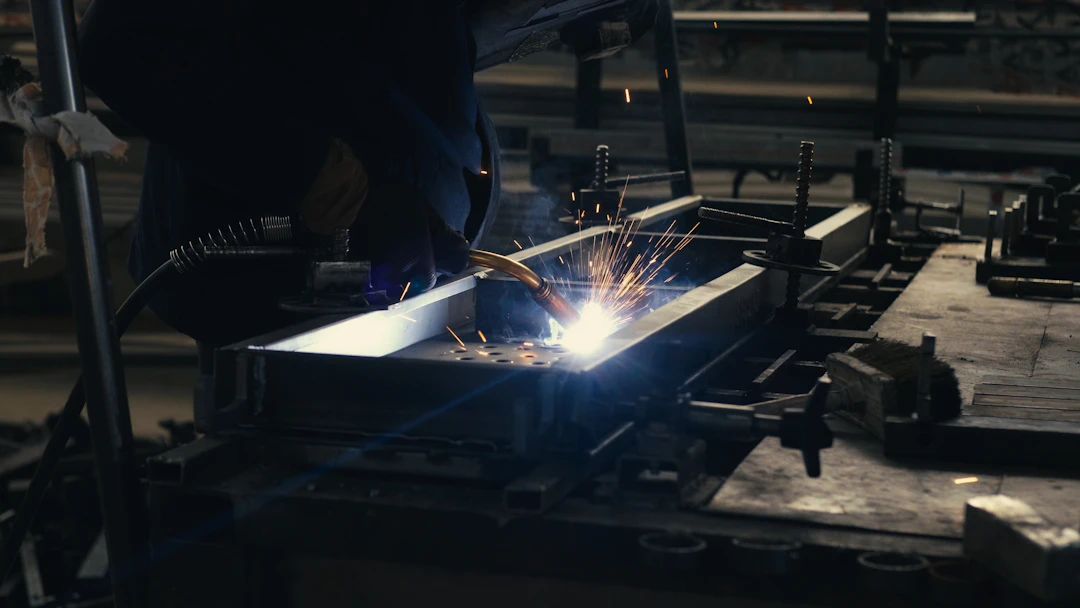
MIG welding is often considered the easiest welding method for beginners. It involves feeding a continuous wire electrode through the torch, which melts when it touches the workpiece, fusing the parts together.
Steps to follow:
Set up your welding machine and adjust the gas flow.
Select the appropriate wire and diameter based on material thickness.
Clean the base materials from any dirt or rust.
Start welding at a steady pace to ensure a uniform bead.
TIG Welding
MIG provides ease of use while TIG allows for superior precision. It requires the welder to use a non-consumable tungsten electrode. The welder must provide filler metal manually.
Steps to follow:
Set up the machine with the right tungsten electrode.
Establish the desired amperage based on the materials you are welding.
Position your torch and begin welding, adding filler metal as necessary.
Stick Welding
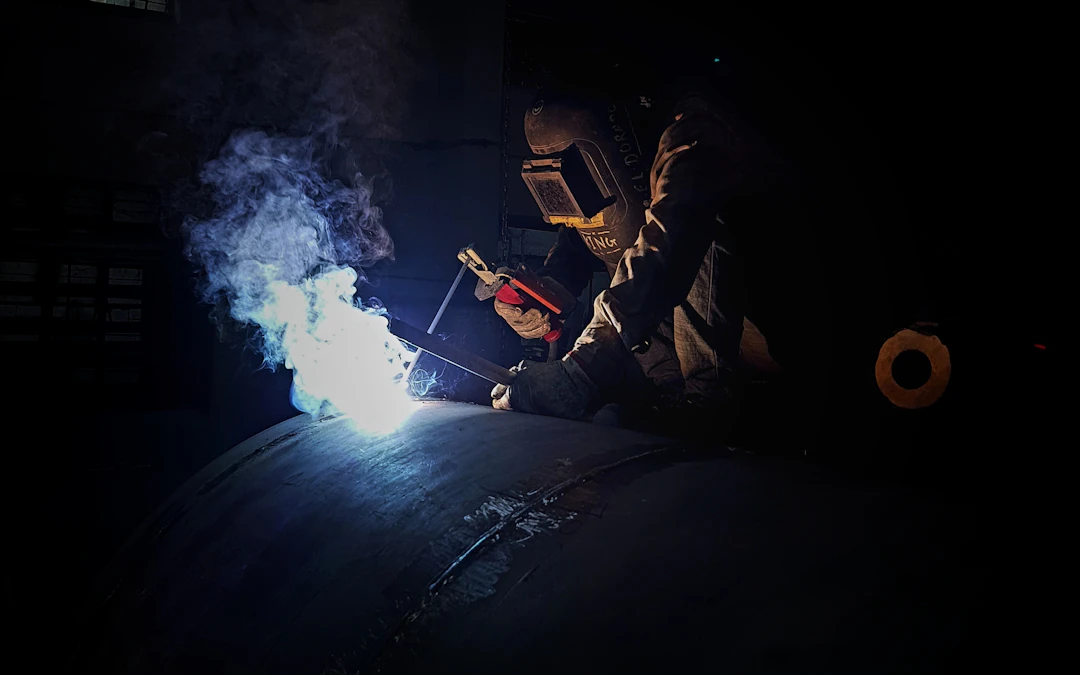
This technique uses a consumable electrode coated with flux to lay the weld. It's especially effective outdoors and on rusty materials.
Steps to follow:
Select the correct electrode type and size.
Set your machine based on the electrode’s requirements.
Strike an arc and make smooth, steady motions while completing the weld.
Perfecting Your Skills with Training
The journey to becoming proficient in welding is continuous. It’s crucial to seek training to ensure you understand procedures deeply. Various programs and certifications can bulk up your knowledge and abilities.
Enrolling in a structured program can help you master both basic and advanced skills. Here are a couple of resources:
The Value of Documentation
Documenting your welding procedures is fundamental for consistent outcomes and quality assurance. Maintaining records of weld specifications and processes can enhance your metal repair efficiency and standards.
Why Is Documentation Important?
Proper documentation aids in compliance with industry regulations and career advancement, especially in mobile welding projects. Keeping track of your welding procedures allows you to:
Monitor your skill development over time.
Maintain personal records for reference and review.
Establish credibility with employers and clients.
Mobile Welding: A Growing Trend
Mobile welding is becoming increasingly versatile and popular, especially among small business owners and contractors. Offering repair services directly to clients on-site allows welders to cater to diverse needs without the constraints of a physical workshop.
Advantages of Mobile Welding
Convenience for clients, who can have repairs done right where they are.
Reduced overhead costs, as there's no need for a permanent workspace.
Ability to take on a variety of jobs across different environments.
Wrapping It All Up: Your Welding Journey Starts Here
Welding is a valuable skill that will continue to be in demand across numerous industries. As you embark on your journey to mastering welding procedures, ensure you invest time in learning the basics, acquiring the right tools, and engaging in training programs. With continuous practice and dedication, you'll hone your skills in welding, pipe welding, and more. Welcome to the world of welding, where creativity meets technical precision!
Explore these essential tools to enhance your welding skills. Heavy Duty Welding Torch and Welding Safety Helmet.
Related Products
Heavy Duty Welding Torch - $150.00 - A robust welding torch designed for heavy-duty applications, ensuring precision and durability.
Welding Safety Helmet - $70.00 - Protective welding helmet with adjustable settings for optimal visibility and safety.
Protective Welding Jacket - $90.00 - Lightweight and flame-resistant welding jacket, providing comfort and protection.
FAQs
What is welding?
Welding is the process of joining materials, typically metals, by melting them together, often with the addition of a filler material to strengthen the joint.
What are the main types of welding procedures for beginners?
The main types of welding procedures for beginners include MIG Welding, TIG Welding, Stick Welding, and Flux-Cored Arc Welding.
What essential equipment do I need to start welding?
Essential equipment includes a welding torch, safety helmet, protective jacket, and a well-organized workspace.
Why is documentation important in welding?
Documentation is important because it aids in compliance with industry regulations, helps track skill development, and establishes credibility with employers and clients.
What are the advantages of mobile welding?
The advantages of mobile welding include convenience for clients, reduced overhead costs, and the ability to take on diverse jobs across different environments.
Comments