Master the Sparks: Basic Welding Techniques for Beginners
- kc304welding
- 2 days ago
- 5 min read
Overview
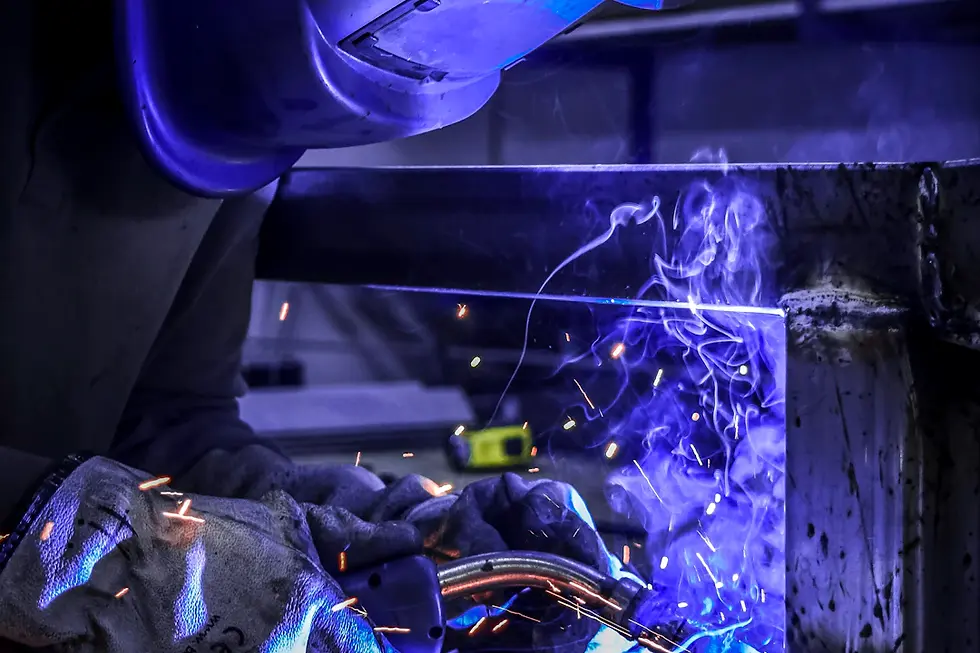
Welding combines artistry and precision, vital for industries like construction and manufacturing. Beginners should focus on basic techniques such as MIG, TIG, and Stick welding, along with proper workspace setup and safety. Key tips include joint preparation, maintaining the correct welding angle and speed, and understanding different welding positions. Common applications include metal repair and construction. Awareness of potential defects like porosity and cracking can enhance results. Practice and quality tools are essential for mastering welding skills.
Contents
Welding is an essential skill that combines artistry and precision, making it a cornerstone in various industries such as construction, manufacturing, and automotive. For those who are just starting, understanding the basic welding techniques can be the gateway to mastering more complex procedures. In this article, we will dive deep into essential welding techniques, the proper welding setup, and practical tips for effective metal repair, including pipe welding. Buckle up, and let’s spark some excitement in the world of welding!
Understanding Welding: The Basics
At its core, welding is the process of joining two or more pieces of metal together using heat and pressure. While it might seem daunting to beginners, grasping the foundational concepts is crucial for developing your welding skills.
Types of Welding Techniques
MIG Welding: Metal Inert Gas (MIG) welding is one of the easiest techniques for beginners. It utilizes a continuous wire feed as an electrode to create the arc.
TIG Welding: Tungsten Inert Gas (TIG) welding involves a non-consumable tungsten electrode. It's perfect for thin materials and gives more control over the weld.
Stick Welding: Also known as Shielded Metal Arc Welding (SMAW), this technique uses a stick electrode that melts and fuses the metals together. It is widely used for metal repair.
Each technique has its unique advantages, and the choice often depends on the materials you’re working with and the specific project requirements.
Setting Up Your Welding Workspace
Creating a proper welding set up is vital for safety and effectiveness. Here’s how to set up your welding station:
Location: Choose a well-ventilated area free from flammable materials. Mobile welding setups can also be used in a range of environments, so consider this for flexibility.
Tools: Ensure that you have essential tools like a welding torch, helmet, gloves, and proper protective gear. You can explore useful products such as the Welding Safety Helmet and the Heat Resistant Gloves to enhance safety.
Power Supply: Check that you have the correct power supply and settings according to the welding technique you’ll use.
Before you start welding, make sure to double-check your equipment and ensure that all connections are secure. Safety should always be your number one priority in any welding project.
Basic Welding Techniques for Beginners
Once you have your workspace set up, it’s time to get hands-on! Here’s a look at some fundamental welding techniques:
1. Joint Preparation
Before welding, proper joint preparation is key. Ensure that the surfaces to be welded are clean and free from rust, paint, or other impurities. Utilize tools such as grinders or brushes for cleaning. Proper cleaning enhances the strength of the weld.
2. Correct Welding Angle
The angle of your welding torch can significantly affect your outcome. A typical angle is around 15 to 30 degrees, allowing the electrode or filler material to penetrate adequately while also ensuring good visibility of the weld pool.
3. Controlling the Speed
Maintain a consistent speed while welding. Too slow can lead to excessive heat buildup and burn-through, while too fast can result in weak joints. Practice makes perfect; find your rhythm by trying out different speeds.
4. Understanding Welding Positions
Familiarizing yourself with various welding positions is crucial:
Flat Position: The most straightforward position, where the weld is made on the top side of the workpiece.
Horizontal Position: Used for welding horizontal seams; it requires more skill and control.
Vertical Position: More challenging, this position requires sound technique to prevent dripping and uneven welds.
Practice in each position will develop your confidence and let you tackle more complex projects.
Common Applications of Welding
Welding is omnipresent in our daily lives, from building structures to crafting art. Here are some common applications:
Metal Repair: Welding is often used for repairing metals. With the right technique, you can restore broken machinery or tools.
Pipe Welding: Essential in various industries, pipe welding ensures that the joints are secure and can withstand pressure. Through mobile welding, you can conduct repairs on-site, providing flexibility and convenience.
Construction: Integral in constructing buildings, bridges, and vehicles, welding provides strength and stability.
Tips for Avoiding Common Welding Defects
Even as a beginner, being aware of common welding defects can save you a significant amount of time and frustration:
Porosity: Gas pockets that form in the weld can weaken the joint. Ensure that your method prevents contaminants in the weld area.
Cracking: This issue often arises from rapid cooling or incorrect technique. Be mindful of cooling rates and apply suitable techniques for different materials.
Undercut: Caused by too much heat, it can lead to a weak weld. Adjust settings and technique to avoid this.
For more information on overcoming defects and achieving flawless results, you may find additional insights in articles like Welding Wonders.
The Final Sparks
As you embark on your welding journey, remember that practice and persistence are your greatest allies. Start with basic techniques, nurture your skills, and gradually expand your knowledge. Whether it’s for personal projects or professional endeavors, being proficient in welding opens doors to various opportunities. Don’t forget to invest in quality tools that make your work easier, such as the Multi-Function Welding Torch. Happy welding, and let your creativity flow as you bring metal to life!
Explore these essential tools to enhance your welding skills. Multi-Function Welding Torch and Welding Safety Helmet.
Related Products
Multi-Function Welding Torch - $120.00 - Versatile welding torch with multiple functions, perfect for various welding techniques.
Welding Safety Helmet - $70.00 - Protective welding helmet with adjustable settings for optimal visibility and safety.
Heat Resistant Gloves - $30.00 - Durable gloves designed to withstand high temperatures, ensuring safety during welding.
FAQs
What are the basic welding techniques for beginners?
The basic welding techniques for beginners include MIG welding, TIG welding, and stick welding. Each technique has its unique advantages depending on the materials and project requirements.
How should I set up my welding workspace?
To set up your welding workspace, choose a well-ventilated area, ensure you have essential tools like a welding torch and safety gear, and check that you have the correct power supply for your welding technique.
What is joint preparation in welding, and why is it important?
Joint preparation involves cleaning the surfaces to be welded, ensuring they are free from rust, paint, or impurities. Proper cleaning enhances the strength of the weld and is crucial for successful welding.
What are common applications of welding?
Common applications of welding include metal repair, pipe welding, and construction. Welding is essential for repairing broken machinery, ensuring secure pipe joints, and constructing buildings and vehicles.
What tips can help avoid common welding defects?
To avoid common welding defects, ensure you prevent contaminants in the weld area to avoid porosity, manage cooling rates to prevent cracking, and adjust your settings to avoid undercut.


Comments