Mobile Carbon Pipe Repair in Portland: Carbon Pipe Repair Techniques for Industrial Use
When it comes to maintaining the integrity of carbon pipes in commercial and industrial settings, especially within the food and wine industry, timely and effective repair is crucial. Carbon pipes are essential components in many processing and manufacturing systems. Their durability and resistance to corrosion make them ideal, but like any material, they can suffer wear, damage, or failure over time. This is where specialized repair techniques come into play, ensuring minimal downtime and maximum reliability.
In this post, I will walk you through the most effective carbon pipe repair techniques, the benefits of mobile repair services, and practical advice for maintaining your piping systems in Portland’s industrial environment.
Understanding Carbon Pipe Repair Techniques
Carbon pipes are widely used due to their strength and resistance to harsh environments. However, they are not immune to damage caused by mechanical stress, corrosion, or accidental impacts. Repairing these pipes requires a precise approach to restore their function without compromising safety or quality.
Here are some common carbon pipe repair techniques:
1. Welding Repairs
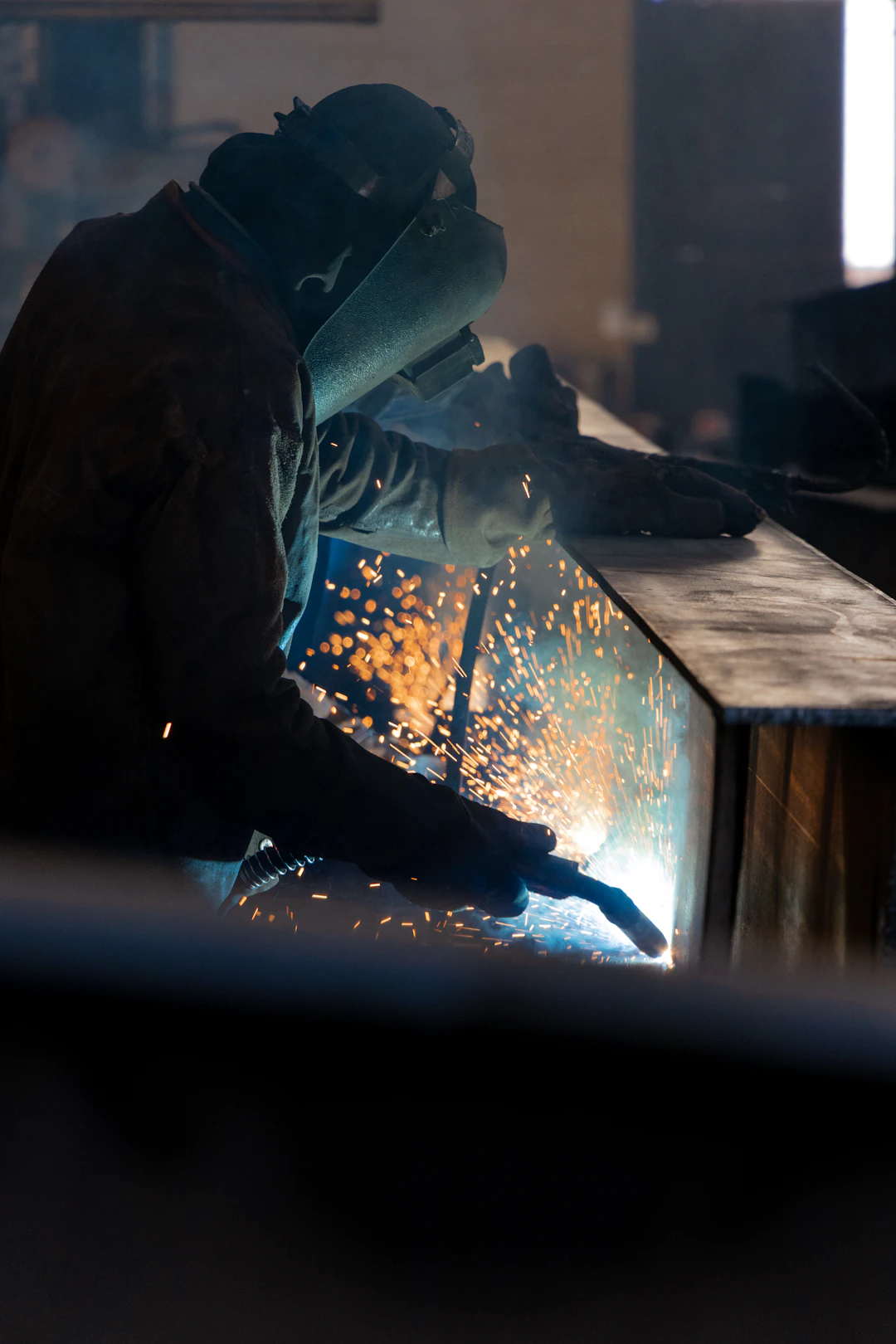
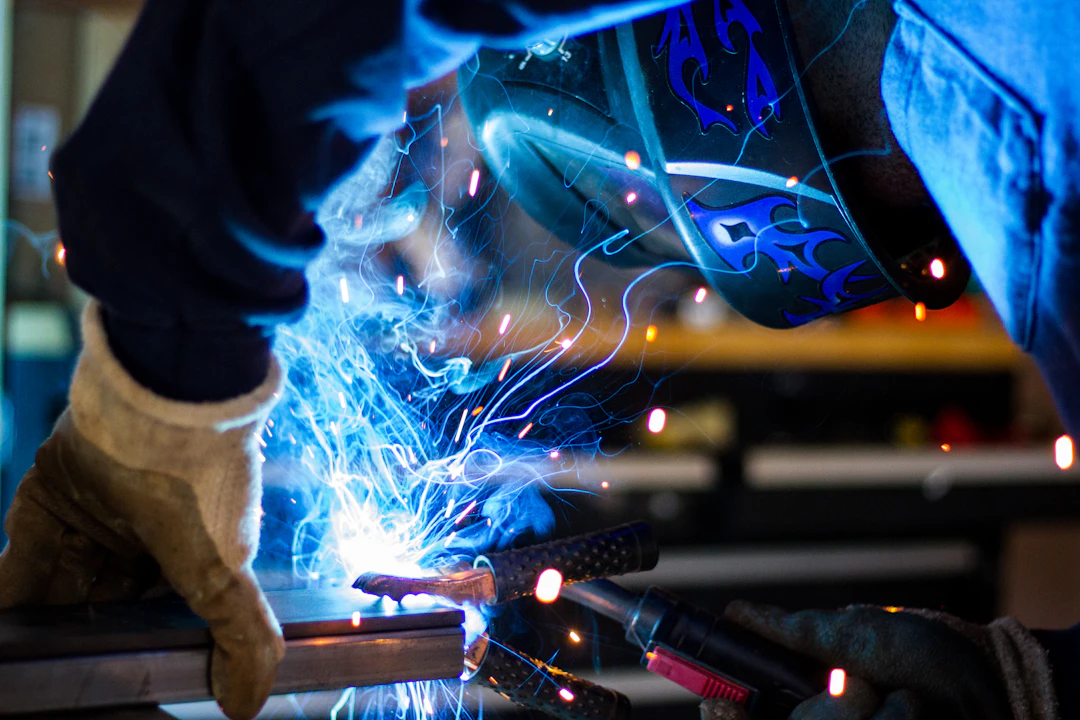
Welding is one of the most reliable methods for repairing carbon pipes. It involves fusing the damaged section with new material to restore structural integrity. The key to successful welding repairs is using the right welding process and materials compatible with carbon steel.
Shielded Metal Arc Welding (SMAW): Ideal for on-site repairs due to its portability.
Gas Tungsten Arc Welding (GTAW): Provides high-quality welds, especially for thin-walled pipes.
Flux-Cored Arc Welding (FCAW): Suitable for thicker pipes and offers good penetration.
Proper surface preparation and post-weld heat treatment are essential to avoid cracking and ensure durability.
2. Clamping and Sleeving
For minor cracks or leaks, clamping or sleeving can be a quick and effective solution. This method involves placing a metal sleeve or clamp around the damaged area to seal it temporarily or permanently.
Pipe Clamps: Easy to install and remove, useful for emergency repairs.
Sleeves: Provide a more permanent fix by reinforcing the pipe section.
This technique is less invasive and can be performed without shutting down the entire system, which is a significant advantage in continuous production environments.
3. Epoxy and Composite Repairs
In some cases, especially where welding is not feasible, epoxy or composite materials can be used to repair carbon pipes. These materials bond to the pipe surface and restore its strength.
Epoxy Coatings: Seal leaks and protect against corrosion.
Composite Wraps: Made from fiberglass or carbon fiber, these wraps add structural support.
These repairs are lightweight, corrosion-resistant, and can be applied quickly, making them suitable for urgent repairs.

Benefits of Mobile Carbon Pipe Repair Services
Mobile repair services bring the workshop directly to your facility, offering several advantages that are especially valuable in industrial settings:
Reduced Downtime: Repairs can be performed on-site without transporting pipes to a workshop.
Cost Efficiency: Eliminates the need for pipe removal and reduces labor costs.
Flexibility: Mobile units are equipped to handle various repair techniques, from welding to clamping.
Rapid Response: Quick deployment to address urgent repairs and prevent production losses.
For businesses in Portland, having access to reliable mobile carbon pipe repair services means maintaining operational continuity and ensuring compliance with safety standards.
If you are looking for expert assistance, consider mobile carbon pipe repair portland for professional, on-site solutions tailored to your needs.
Key Considerations for Carbon Pipe Repair in Food and Wine Industries
The food and wine industries have unique requirements when it comes to pipe repair. Hygiene, contamination prevention, and compliance with industry standards are paramount. Here are some important factors to keep in mind:
Material Compatibility: Use food-grade materials and coatings to avoid contamination.
Sanitary Welding Practices: Ensure welds are smooth and free of crevices where bacteria can accumulate.
Inspection and Testing: Conduct thorough inspections using non-destructive testing (NDT) methods such as ultrasonic or radiographic testing.
Documentation: Maintain detailed repair records for regulatory compliance and traceability.
By adhering to these considerations, you can ensure that your carbon pipe repairs meet the strict standards required in food and wine processing.
Maintenance Tips to Extend the Life of Carbon Pipes
Preventive maintenance is the best way to avoid costly repairs and downtime. Here are some practical tips to help you keep your carbon pipes in optimal condition:
Regular Inspections: Schedule routine checks to identify early signs of wear, corrosion, or damage.
Proper Cleaning: Use appropriate cleaning agents that do not degrade the pipe material.
Corrosion Protection: Apply protective coatings or wraps to vulnerable areas.
Monitor Operating Conditions: Keep an eye on pressure, temperature, and flow rates to prevent stress on pipes.
Prompt Repairs: Address minor issues immediately before they escalate.
Implementing these maintenance practices will help you maximize the lifespan of your carbon pipes and maintain system efficiency.

Choosing the Right Repair Partner in Portland
Selecting a trusted repair service provider is critical for ensuring quality and reliability. When evaluating potential partners, consider the following:
Experience and Expertise: Look for companies specializing in carbon pipe repair with a strong track record in industrial applications.
Mobile Capabilities: Ensure they offer on-site repair services to minimize disruption.
Compliance and Safety: Verify adherence to industry standards and safety protocols.
Customer Support: Responsive communication and after-service support are essential.
Equipment and Technology: Advanced tools and techniques improve repair quality and speed.
By choosing the right partner, you can have confidence that your carbon pipe repairs will be handled professionally and efficiently.
Ensuring Long-Term Reliability Through Expert Repairs
In industrial environments, the reliability of your piping system directly impacts productivity and safety. Investing in expert carbon pipe repair techniques and mobile services ensures that your operations run smoothly with minimal interruptions.
Whether you face a sudden leak, corrosion damage, or routine maintenance needs, professional repair solutions tailored to your industry’s requirements will protect your investment and maintain compliance.
For those in the Portland area, leveraging specialized mobile repair services like mobile carbon pipe repair portland can make all the difference in maintaining your facility’s performance and safety.
By staying proactive and informed about repair options, you can safeguard your infrastructure and focus on what matters most - delivering quality products and services without compromise.

Comments