Exploring Different Welding Techniques and Their Certifications

Overview
Welding is a vital skill in various industries, requiring knowledge of techniques and certifications for quality and safety. Key welding methods include MIG, TIG, stick, flux-cored, and submerged arc welding, each with specific applications. Certifications validate a welder's skills, ensuring compliance with industry standards. Mobile welding is an emerging trend, offering flexibility for repairs on-site. Staying updated on innovations and having the right tools is essential for success in welding.
Contents
Welding is an essential skill across numerous industries, continuously evolving to meet the demands of modern manufacturing and construction. Understanding the various welding techniques available and the certifications required for professionals helps ensure quality and safety in every project. In this blog post, we will explore the most common welding techniques, the necessary certifications for these methods, and how they contribute to metal repair and design.
The Importance of Welding Certifications
Before diving into different welding techniques, it’s crucial to understand why certifications matter. Welding certifications validate a welder's skills, confirming that they are qualified to perform a specific type of welding procedure. These certifications ensure that welders have mastered necessary techniques and are aware of safety regulations. For businesses, hiring certified welders means quality assurance and compliance with industry standards.
Types of Welding Techniques
Now, let’s explore some widely used welding techniques and their applications:
1. MIG Welding (Metal Inert Gas)
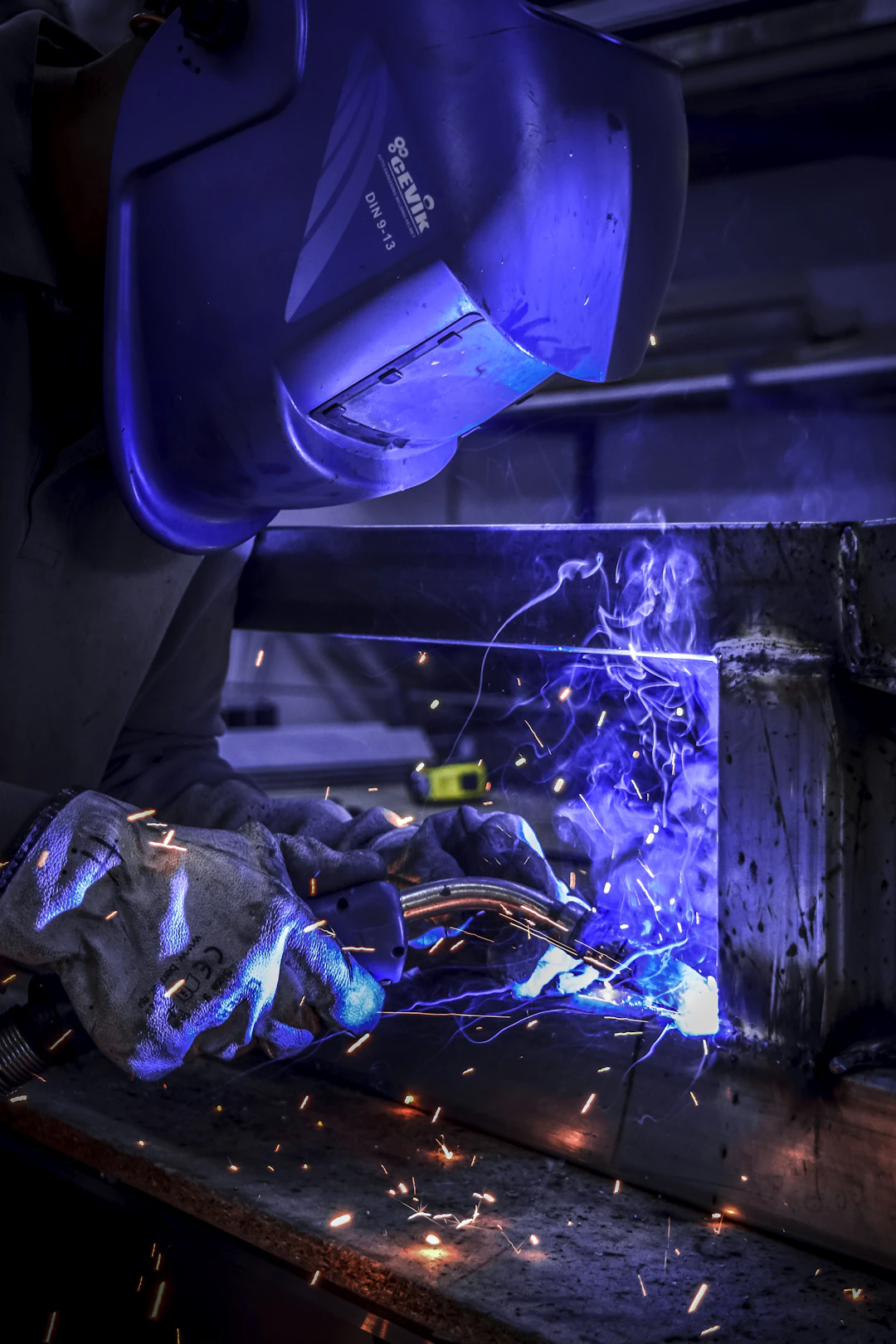
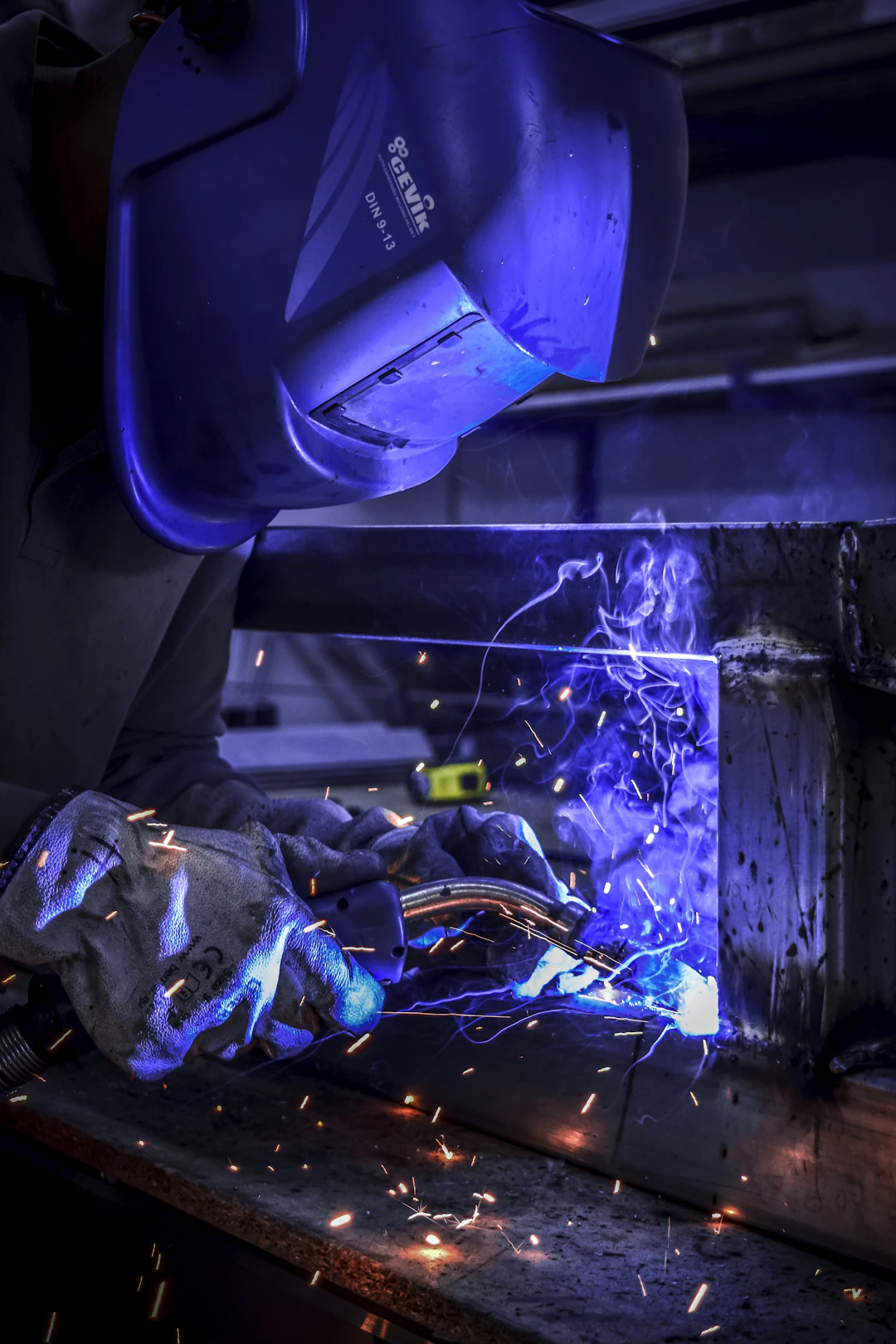
MIG welding, or Metal Inert Gas welding, is one of the most popular welding techniques due to its versatility and ease of use. It employs a continuous wire feed and an inert gas, typically argon or helium, to protect the weld area from contamination. MIG welding is excellent for thin sheets of metal and is widely used in automotive and construction applications.
2. TIG Welding (Tungsten Inert Gas)
TIG welding stands for Tungsten Inert Gas welding. It uses a non-consumable tungsten electrode to produce the weld. This method allows for more control, making it ideal for precision applications such as aerospace and art metal fabrication. TIG welding can be more challenging to learn, but it produces cleaner and higher-quality welds.
3. Stick Welding (SMAW)
Stick welding, or Shielded Metal Arc Welding (SMAW), is one of the oldest and most widely used welding techniques. This method uses a consumable electrode coated in flux to shield the weld from atmospheric contamination. It's highly portable and can be used in outdoor conditions, making it a go-to choice for construction and maintenance work.
4. Flux-Cored Arc Welding (FCAW)
Flux-Cored Arc Welding combines the principles of MIG and stick welding. This process utilizes a tubular wire filled with flux, which generates a shielding gas when melted. It's particularly effective for welding thicker materials and is often seen in structural and industrial applications.
5. Submerged Arc Welding (SAW)
Submerged Arc Welding involves the use of a bare wire electrode and a granular flux that covers the weld pool. This technique is best suited for large-scale manufacturing and heavy-duty applications, offering a high deposition rate and deep penetration.
Gaining Certifications for Welding Techniques
Obtaining a welding certification often requires a practical exam along with theoretical knowledge of welding processes. Each welding technique usually has specific certifications associated with it, provided by recognized organizations. Here are the crucial steps to follow:
Research various welding certifications relevant to your desired technique.
Complete necessary training programs, either through formal education or apprenticeships.
Practice your skills consistently to prepare for the examination.
Schedule and complete certification exams, which often include both written and hands-on assessments.
For those interested in learning more about different welding certifications, you can check this informative post on Exploring Different Types Of Welding Certifications.
Mobile Welding: Flexibility in Metal Repair
One of the growing niches in the welding industry is mobile welding, where professionals bring their welding setup directly to the job site. This service is particularly valuable in circumstances requiring repairs in hard-to-reach locations or when transportation of equipment would be costly. Mobile welders are equipped to handle challenges on-site, reducing downtime and enhancing operational efficiency.
Mobile welding is especially useful in metal repair of vehicles, infrastructure, and various industrial applications. To explore the specifics of mobile welding in carbon pipe repair, refer to this article on Mobile Carbon Pipe Repair In Portland Carbon Pipe Repair Techniques For Industrial Use.
Certifications for Pipe Welding
Pipe welding is a specialized area that requires distinct certifications due to its inherent complexities and safety risks. Professionals interested in pipe welding often pursue certification from organizations like the American Welding Society (AWS) or the National Center for Construction Education and Research (NCCER). These certifications cover various aspects, such as welding processes, safety regulations, and specific guidelines for different types of materials.
For newcomers looking to elevate their skills, understanding the requisite certifications for pipe welding as well as overall welding techniques is crucial. Gaining expertise in specialized fields significantly enhances employment prospects and job performance.
Innovations in Welding Technology
As technology advances, the welding industry has seen revolutionary changes. Innovations such as automation, laser welding, and new materials are transforming welding techniques and certification standards. Staying updated on these trends is vital for both welders and employers to ensure they remain competitive in the market.
The future of welding technology—including potential advancements in procedures and standards—can be found in the article on The Welding Revolution Exploring The Future Of Welding Technology And Certifications.
Essential Tools for Welders
Regardless of the welding technique, having the right equipment is essential for achieving quality results. Utilizing proper tools can significantly affect weld quality, efficiency, and safety. Below are some key tools every welder should consider:
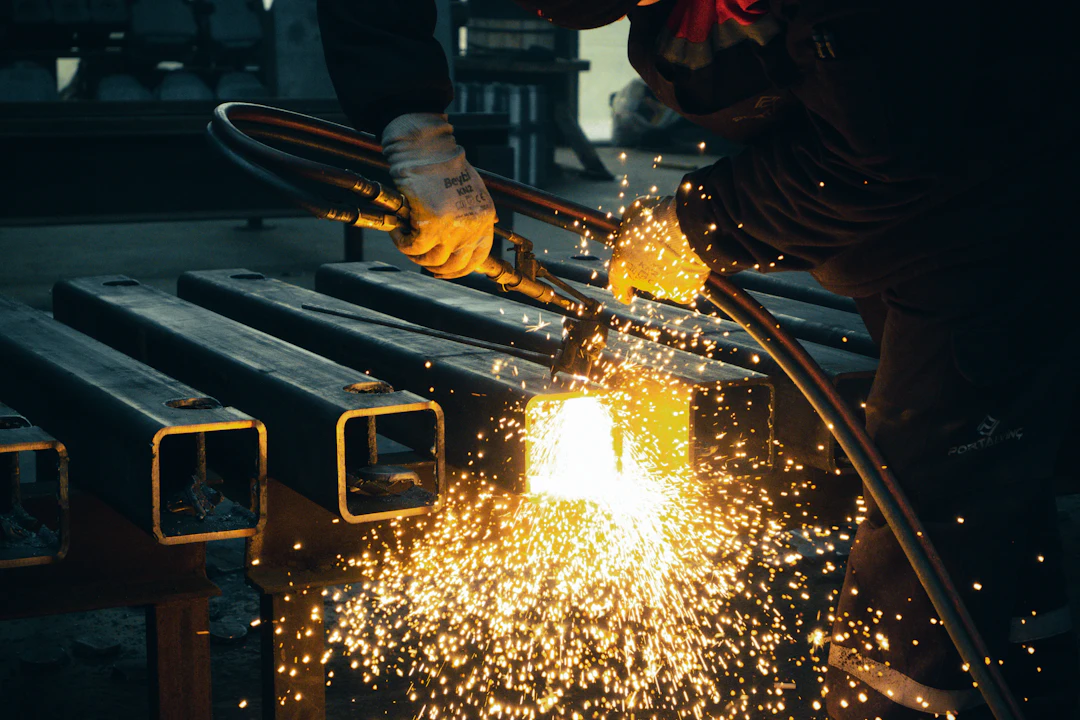
Welding Torch: A reliable welding torch is fundamental for any welding technique. For instance, the Multi-Function Welding Torch offers versatility across various methods, essential for professionals working on multiple projects.
Safety Gear: Equipment like a welding safety helmet is critical for protection against sparks and UV radiation. A quality helmet should have adjustable settings to ensure optimal visibility and protection.
Welding Goggles and Gloves: Protecting the eyes and hands during welding is vital, as they are areas most exposed to heat and possible hazards.
Portable Welding Equipment: For mobile welding projects, lightweight tools, like the Portable Welding Torch, make it easier to transport your welding setup wherever it’s needed.
Embarking on Your Welding Journey
Whether you’re just starting your journey in welding or looking to advance your skills through certification, understanding different welding techniques is key. The ability to master various welding methods not only enhances your employability but also opens up a world of creative opportunities in metal fabrication and repair.
For anyone serious about a career in welding, taking the time to pursue certifications and stay up-to-date with innovations in techniques and technology will pave the way for success. Through practice, dedication, and the right tools, you can become a skilled professional in this essential field.
So, gear up and get ready to dive into the thrilling world of welding innovations and growth. Explore the process, hone your skills, and perhaps even invest in essential tools to boost your capabilities as you embark on this exciting journey!
Check out these essential tools for your welding projects. Multi-Function Welding Torch and Portable Welding Torch.
Related Products
Multi-Function Welding Torch - $120.00 - Versatile welding torch with multiple functions, perfect for various welding techniques.
Portable Welding Torch - $80.00 - Lightweight and portable welding torch ideal for on-the-go projects, featuring adjustable flame control.
Welding Safety Helmet - $70.00 - Protective welding helmet with adjustable settings for optimal visibility and safety.
FAQs
What are the most common welding techniques discussed in the blog?
The blog discusses MIG welding, TIG welding, Stick welding, Flux-Cored Arc welding, and Submerged Arc welding.
Why are welding certifications important?
Welding certifications validate a welder's skills, ensuring they are qualified to perform specific types of welding procedures, thus guaranteeing quality and compliance with industry standards.
What is mobile welding and its advantages?
Mobile welding is a service where welders bring their setup to the job site, offering flexibility for repairs in hard-to-reach locations and reducing downtime.
What factors are considered in gaining welding certifications?
Gaining welding certifications involves researching relevant certifications, completing training programs, practicing skills, and completing certification exams that include both written and hands-on assessments.
How is innovation impacting the welding industry?
Innovation in welding technology, such as automation and new materials, is transforming techniques and certification standards, making it essential for welders to stay updated to remain competitive.
Comments