The Environmental Impact of Welding: A Look at Sustainable Practices

Overview
Welding is essential across various industries but has significant environmental impacts. To promote sustainability, adopt energy-efficient equipment, use recycled materials, and implement effective waste management. Innovative methods like laser and friction welding can also reduce the ecological footprint. Embracing these practices not only benefits the environment but also enhances operational efficiency and safety.
Contents
Welding is an integral part of various industries, from construction and automotive to manufacturing and repair. However, while it is a crucial process for joining materials, it also has significant environmental impacts that cannot be ignored. In recent years, there has been a growing push towards sustainability in welding practices. In this article, we will explore the environmental footprint of welding and highlight best practices, including sustainable welding setups and innovative technologies that can help reduce its impact.
Understanding the Environmental Impact of Welding
The process of welding involves melting and fusing materials, which often results in harmful emissions and waste. Some of the primary environmental concerns related to welding include:
Air Pollution: Welding generates fumes that contain hazardous materials, including heavy metals and gases that contribute to air pollution and may cause health issues.
Material Waste: Inefficient welding setups and processes can result in significant waste of metals and other materials, contributing to landfill overcrowding.
Energy Consumption: Traditional welding methods can be energy-intensive, leading to higher carbon emissions from power generation.
To mitigate these concerns, it's essential to adopt sustainable practices in welding operations. By doing so, welders can contribute to a healthier environment while still meeting their operational needs.
Sustainable Welding Setups
One of the first steps in reducing the environmental impact of welding is to evaluate the welding setup. Here are some essential elements to consider for a sustainable welding setup:
1. Energy-Efficient Equipment
Investing in modern welding equipment that promotes energy efficiency is crucial. Equipment such as inverter-based welders can consume significantly less energy compared to older systems. Additionally, mobile welding solutions often come with portability features that allow projects to be executed on-site, minimizing transportation emissions and energy use.
2. Use of Sustainable Materials
Where possible, welders should prioritize the use of recycled metals and alloys. Many suppliers now offer eco-friendly material options that have a lower environmental footprint compared to newly produced materials. This practice not only conserves natural resources but also reduces waste generation.
3. Implementing Effective Waste Management
A sustainable welding practice includes efficient waste management procedures. Proper segregation and recycling of metal scraps, consumables, and protective materials can minimize waste sent to landfills. Adopting a recycling program within the workshop can create a more sustainable environment for everyone involved.
4. Ventilation Systems
Due to the harmful fumes produced during welding, a proper ventilation system is fundamental to ensuring a healthy workspace. Implementing local exhaust ventilation systems helps capture fumes and minimize air pollution. Moreover, welders can use filters designed to eliminate harmful particles from the air, further protecting the environment and employee health.
5. Continuous Training and Education
Investing in regular training programs regarding sustainable welding practices can help ensure that all personnel are up-to-date with the latest techniques and tools aimed at reducing environmental impacts. Understanding and implementing sustainable metal work procedures will enhance the skills of welders and contribute to overall operational efficiency and eco-friendliness.
Alternative Welding Methods
Beyond the conventional methods of welding, innovations are emerging that support sustainability. These alternative welding processes can significantly lower the environmental footprint of welding work. Here are some notable methods:
1. Laser Welding
Laser welding is an advanced technique that uses focused light beams to join materials. This method allows for precision and reduced heat input, minimizing distortion and energy usage. It generates less waste and fewer emissions compared to traditional welding processes.
2. Friction Welding
Friction welding is another eco-friendly alternative that generates heat through mechanical friction. This technique doesn't require shielding gases and minimizes the production of harmful fumes, making it a safer option for both workers and the environment.
3. Electron Beam Welding (EBW)
EBW is a high-precision technique used primarily for joining thick materials. It utilizes a concentrated beam of electrons, providing energy-efficient welding with a reduced ecological footprint. By utilizing a vacuum chamber to minimize contamination, EBW produces cleaner welds with less waste.
The Benefits of Sustainable Practices in Welding
Adopting sustainable practices in welding not only has environmental benefits but can also enhance profitability and efficiency in operations. Here are a few advantages of pursuing sustainable welding:
Cost Savings: Energy-efficient operations can lead to reduced utility costs. Furthermore, minimizing waste and optimizing material usage can also translate into significant savings.
Improved Reputation: Companies that embrace sustainable practices bolster their corporate image, potentially attracting more environmentally conscious clients.
Regulatory Compliance: Many regions have strict regulations regarding emissions and waste management. Sustainable practices can help businesses comply with these regulations more easily.
Employee Welfare: Providing a safe and healthy environment for welders and supporting their training in sustainable practices fosters satisfaction and higher employee retention rates.
Strategies for Metal Repair and Pipe Welding
When it comes to metal repair and pipe welding, sustainability should also be a priority. The techniques used in these operations can significantly affect their environmental impact. Here are a few strategies that can help:
1. Joint Design
Carefully selecting joint designs can reduce the amount of filler material required, minimizing waste during the welding process. Understanding the mechanics of welding joints can help achieve stronger welds with less material consumption.
2. Predictive Maintenance
Regularly inspecting equipment and performing maintenance can foresee potential issues, thus avoiding unnecessary repairs and extending machinery life. This proactive approach reduces the need for new materials and tools.
3. Mobile Welding Solutions
Adopting mobile welding services can lead to a lesser carbon footprint, particularly for large-scale projects requiring metal repair. Mobile welding units facilitate on-site repairs, reducing transportation emissions and the energy costs associated with moving materials.
Welding Safety: Protecting Yourself and the Planet
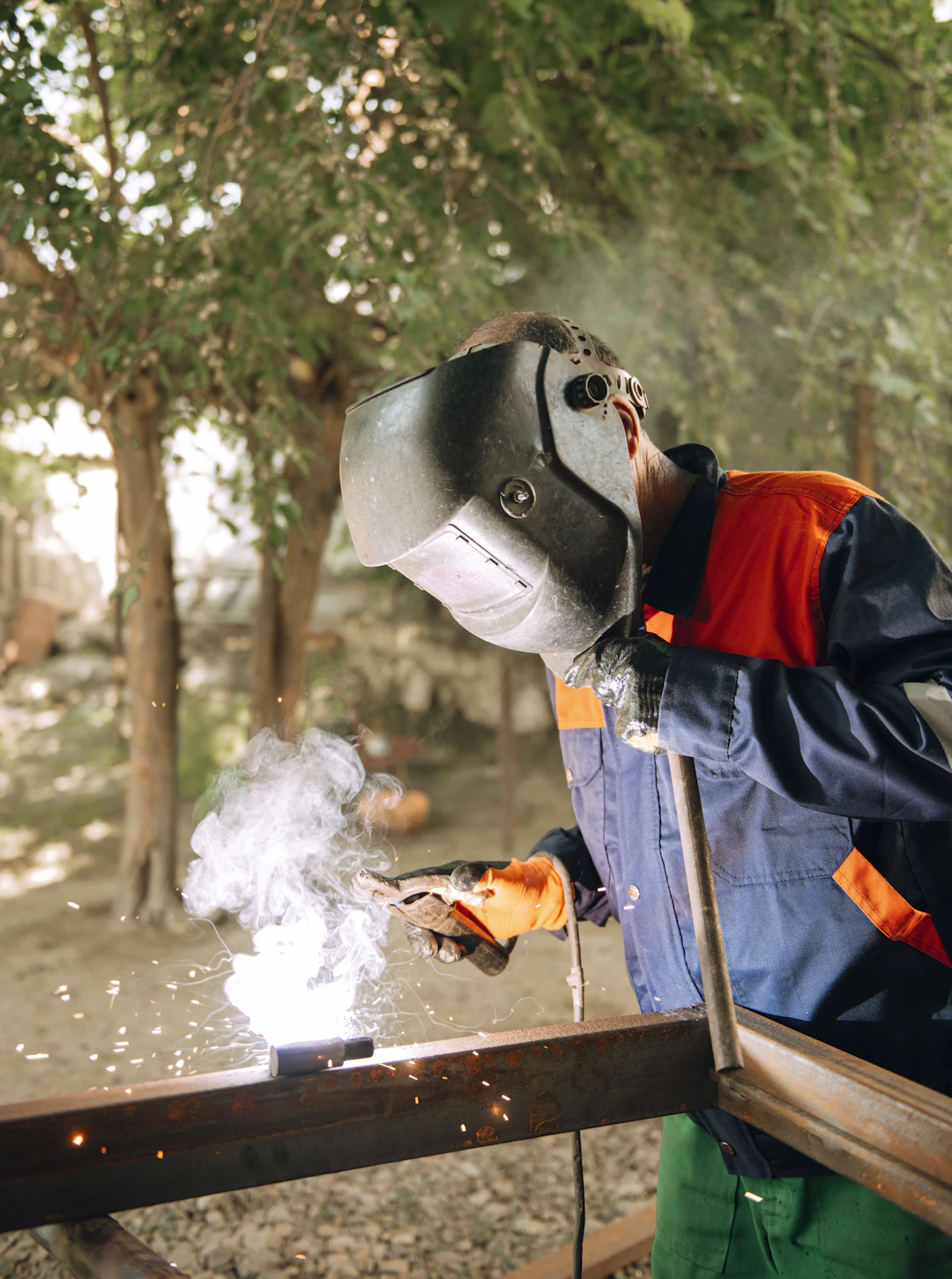
Welding often involves hazardous conditions, and prioritizing personal safety while implementing green practices is vital. To ensure safety, you need the right gear and tools in your welding setup. A protective welding jacket is essential to prevent burns and injuries while promoting comfort and mobility.
Moreover, a welding safety helmet protects your face and eyes while ensuring optimal visibility. These products not only safeguard the welder but serve as an example of implementing safety in alignment with sustainability. Investing in durable equipment decreases the need for constant replacements, further minimizing waste.
Embrace the Future of Welding
As industries continue to evolve, so must welding practices. By committing to sustainable methods and prioritizing environmentally friendly setups, welders can make a substantial difference in the industry's footprint. The benefits are clear—more efficient operations, improved safety, and a positive impact on the environment. Armed with innovative methods and best practices, the welding community has the potential to lead the charge toward a greener future.
Explore these products to enhance your sustainable welding practices. Portable Welding Torch and Protective Welding Jacket.
Related Products
Portable Welding Torch - $80.00 - Lightweight and portable welding torch ideal for on-the-go projects, featuring adjustable flame control.
Protective Welding Jacket - $90.00 - Lightweight and flame-resistant welding jacket, providing comfort and protection.
Welding Safety Helmet - $70.00 - Protective welding helmet with adjustable settings for optimal visibility and safety.
FAQs
What are the main environmental impacts of welding?
The main environmental impacts of welding include air pollution from harmful fumes, material waste from inefficient setups, and high energy consumption leading to increased carbon emissions.
How can I create a sustainable welding setup?
To create a sustainable welding setup, consider investing in energy-efficient equipment, using recycled materials, implementing effective waste management, and installing proper ventilation systems.
What are some alternative welding methods that are more sustainable?
Sustainable alternative welding methods include laser welding, friction welding, and electron beam welding, which typically produce less waste and emissions.
What are the benefits of adopting sustainable practices in welding?
Benefits of sustainable welding practices include cost savings from reduced utility expenses and waste, improved company reputation, easier regulatory compliance, and enhanced employee welfare.
How can I ensure safety while practicing sustainable welding?
To ensure safety while practicing sustainable welding, use appropriate protective gear such as welding jackets and helmets, and invest in durable equipment to reduce waste.
Comments