Food Industry Welding Standards: Hygienic Welding Services in Portland
When it comes to welding in the food and wine industry, the standards are exceptionally high. The need for cleanliness, safety, and durability is paramount. I have seen firsthand how specialized welding services can make a significant difference in maintaining these standards. In Portland, the demand for hygienic welding services is growing, especially among commercial and industrial clients who require precision and reliability.
Welding in environments where food and beverages are processed requires more than just technical skill. It demands a deep understanding of hygiene protocols and industry regulations. This post will explore the essential aspects of hygienic welding, focusing on the food industry welding standards that ensure safety and quality.
Understanding Food Industry Welding Standards
Food industry welding standards are designed to prevent contamination and ensure that welded joints do not harbor bacteria or compromise the integrity of the equipment. These standards cover everything from the materials used to the welding techniques and post-weld cleaning processes.
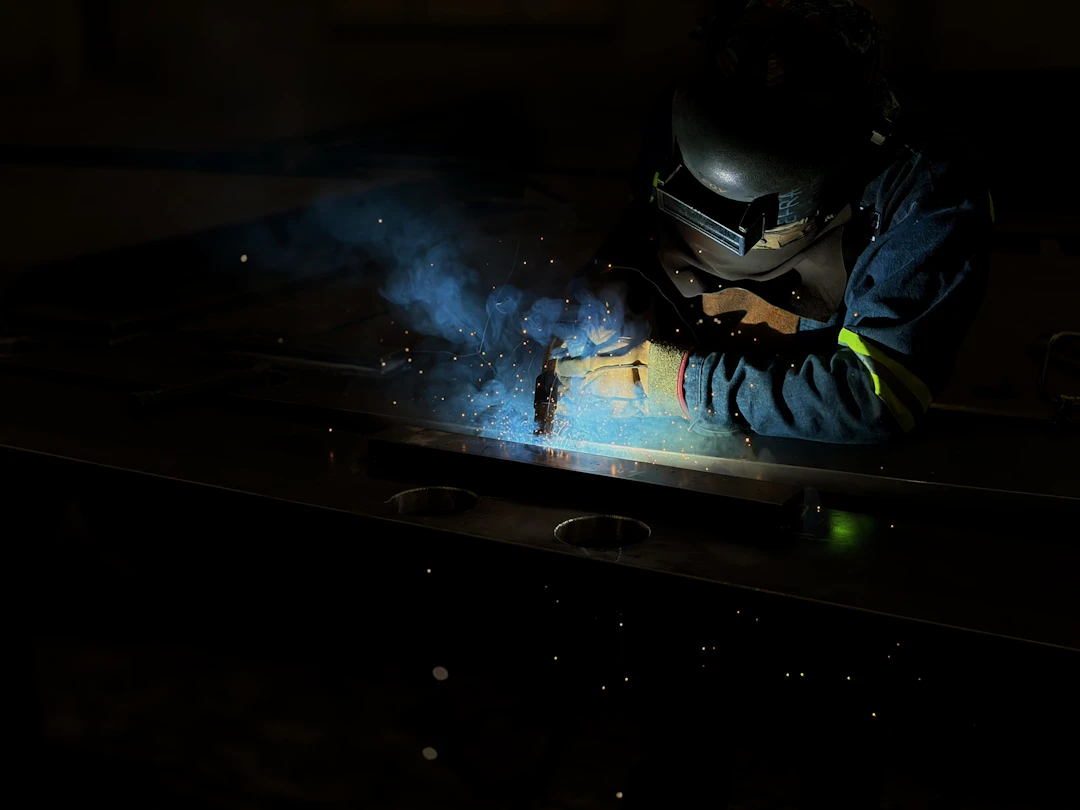
The most common materials in food processing equipment are stainless steel alloys, chosen for their corrosion resistance and ease of cleaning. Welding these materials requires specific techniques such as TIG (Tungsten Inert Gas) welding, which produces clean, precise welds with minimal spatter.
Key points about food industry welding standards include:
Smooth Welds: Welds must be smooth and free of crevices where bacteria can accumulate.
Proper Passivation: After welding, stainless steel surfaces need passivation to restore corrosion resistance.
Compliance with Codes: Adherence to standards such as 3-A Sanitary Standards and ASME BPE (Bioprocessing Equipment) is critical.
Documentation: Detailed records of welding procedures and inspections are often required for regulatory compliance.
These standards ensure that the equipment used in food and wine production is safe, durable, and easy to maintain.
The Importance of Hygienic Welding in Food and Wine Processing
Hygienic welding is not just about meeting regulations; it directly impacts product quality and safety. In food and wine processing, even minor contamination can lead to spoilage, recalls, or health hazards.
For example, in a winery, tanks and pipelines must be welded to prevent leaks and contamination. Poor welding can cause cracks or crevices where yeast or bacteria thrive, affecting fermentation and flavor. Similarly, in food processing plants, hygienic welds prevent the buildup of residues that could harbor pathogens.
Here are some practical reasons why hygienic welding is essential:
Prevents Contamination: Smooth, clean welds reduce the risk of microbial growth.
Enhances Equipment Longevity: Proper welding and finishing extend the life of processing equipment.
Facilitates Cleaning: Seamless welds make cleaning processes more effective and less time-consuming.
Ensures Regulatory Compliance: Meeting hygiene standards avoids costly fines and shutdowns.
By investing in hygienic welding, businesses protect their products and reputation.

Choosing the Right Welding Techniques and Materials
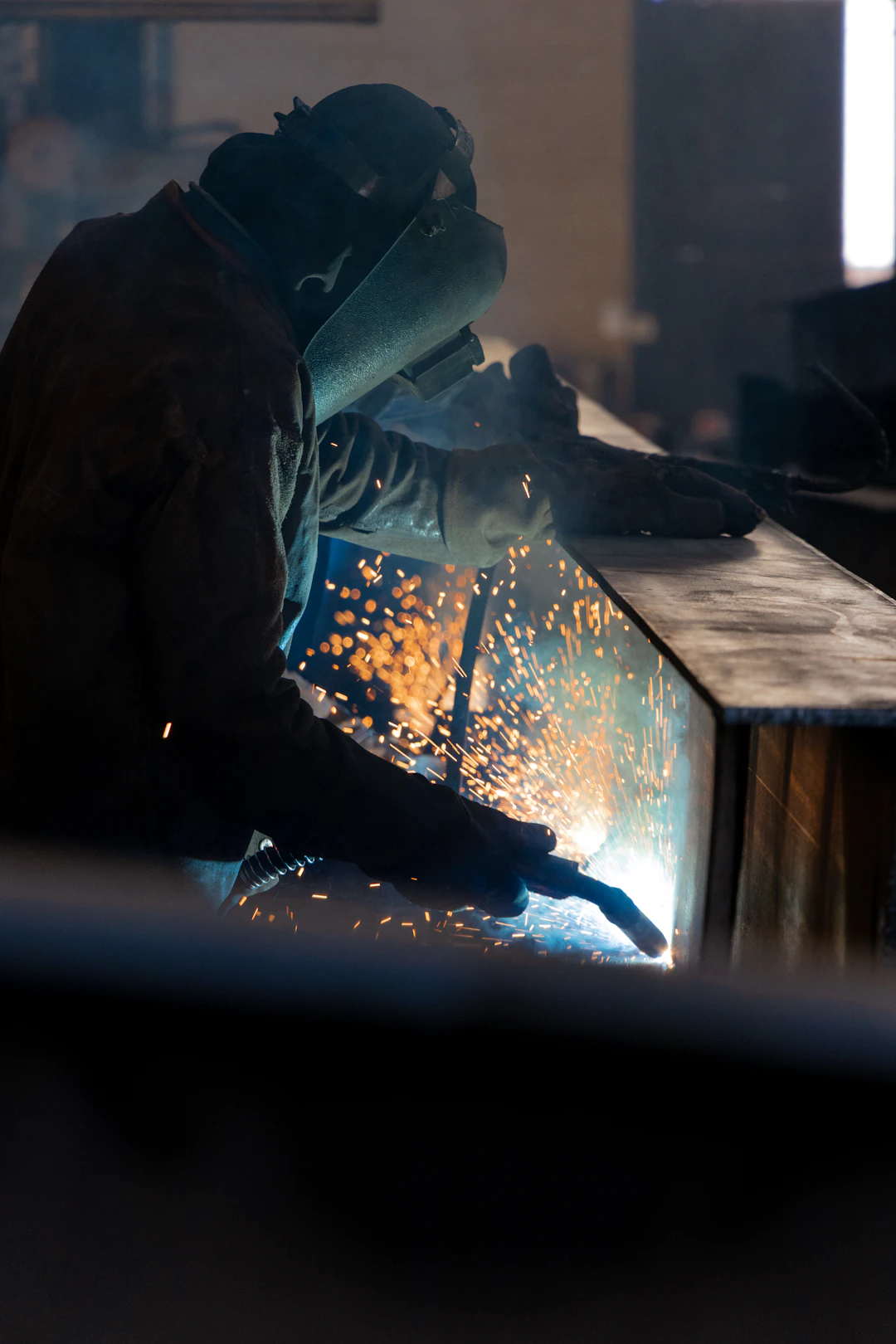
Selecting the appropriate welding technique and materials is crucial for hygienic welding. TIG welding is often preferred because it offers excellent control and produces clean, high-quality welds. MIG (Metal Inert Gas) welding may be used in some cases but generally requires more post-weld finishing.
Materials must be compatible with food-grade standards. Stainless steel grades such as 304 and 316 are common due to their corrosion resistance and hygienic properties. The welding filler materials should also match the base metals to avoid contamination or corrosion.
Some recommendations for choosing welding methods and materials include:
Use TIG Welding for Critical Joints: It provides precision and minimal contamination risk.
Select Food-Grade Stainless Steel: Ensure all materials meet FDA and USDA requirements.
Avoid Porous or Rough Surfaces: These can trap bacteria and complicate cleaning.
Implement Post-Weld Treatments: Passivation and electropolishing improve surface quality.
By carefully selecting techniques and materials, you can ensure that welds meet the highest hygienic standards.
Mobile Welding Services: Convenience Meets Quality
In Portland, many food and wine businesses benefit from mobile welding services. These services bring expert welders directly to your facility, minimizing downtime and disruption. Mobile welding is especially valuable for repairs, modifications, or emergency situations.
Mobile welders equipped with the right tools and knowledge can perform hygienic welding on-site, ensuring compliance with food industry welding standards. This approach saves time and reduces the risk of contamination that might occur if equipment is transported off-site.
Advantages of mobile hygienic welding services include:
Reduced Downtime: Quick response and on-site repairs keep production running.
Cost Efficiency: Avoids transportation and extended equipment downtime.
Expertise on Demand: Access to specialized welders familiar with food industry standards.
Flexibility: Services can be scheduled around production needs.
If you are looking for reliable hygienic welding services portland, mobile welding providers offer a practical solution tailored to your operational requirements.

Maintaining Hygiene After Welding: Best Practices
Welding is only part of the process. Maintaining hygiene after welding is equally important to ensure long-term safety and compliance. Post-weld cleaning and inspection are critical steps.
Here are some best practices to maintain hygiene after welding:
Thorough Cleaning: Remove all welding residues, slag, and discoloration using appropriate cleaning agents.
Passivation: Apply chemical treatments to restore the chromium oxide layer on stainless steel surfaces.
Surface Inspection: Use visual and non-destructive testing methods to check for cracks, porosity, or roughness.
Documentation: Keep detailed records of cleaning and inspection for audits and quality control.
Regular Maintenance: Schedule routine inspections and cleaning to prevent buildup and corrosion.
Following these steps ensures that welded equipment remains safe and hygienic throughout its service life.
Why Choose Specialized Welding Services in Portland?
Portland’s food and wine industries demand welding services that understand their unique needs. Specialized welding providers bring expertise in hygienic welding, regulatory compliance, and industry best practices.
Choosing a local expert means:
Knowledge of Regional Regulations: Providers understand local health and safety codes.
Quick Response Times: Proximity allows for faster service and emergency repairs.
Tailored Solutions: Services designed specifically for food and wine processing equipment.
Trusted Partnerships: Long-term relationships built on quality and reliability.
By selecting a trusted welding partner, you ensure your equipment meets the highest standards and supports your business goals.
Investing in hygienic welding is an investment in safety, quality, and efficiency. Whether you need new installations, repairs, or maintenance, understanding and applying food industry welding standards is essential. Portland’s specialized welding services offer the expertise and convenience that commercial and industrial clients require to keep their operations running smoothly and safely.

Comments