Safety First: Essential Welding Safety Protocols and Best Practices
Overview
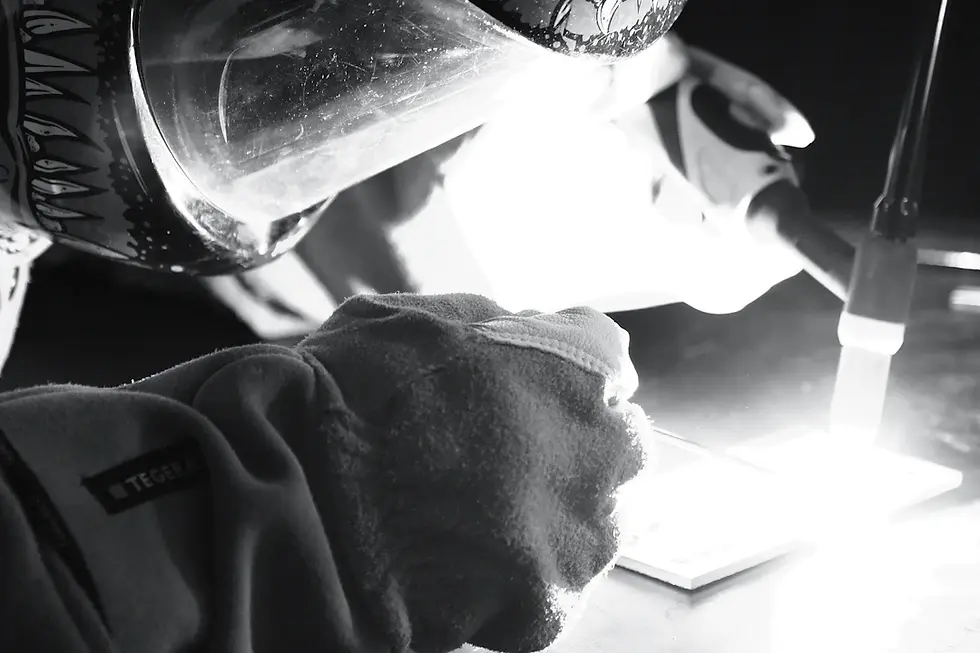
Safety is the top priority in welding. This guide covers essential protocols, including understanding hazards, preparing a safe workspace, using proper PPE, ensuring ventilation, fire and electrical safety, best practices for mobile welding, continuous training, and emergency preparedness. Cultivating a safety-first culture enhances well-being and productivity in welding operations.
Contents
In the world of welding, safety should always be your top priority. Whether you're setting up for welding at a dedicated workstation or engaging in mobile welding, understanding and adhering to safety protocols is vital to ensure the health and wellness of everyone on site. This detailed guide will explore essential safety protocols and best practices that every welder, novice or professional, should follow to mitigate the risks associated with this challenging yet rewarding craft.
Understanding Welding Hazards
Before diving into safety protocols, it's crucial to understand the hazards associated with welding. Some common dangers include:
Fume and Gas Exposure: Welding processes generate hazardous fumes that can affect respiratory health.
Fire Risks: Sparks and molten metal can ignite flammable materials easily, leading to fires.
Electric Shock: Improper handling or setup of welding equipment can lead to dangerous electrical shocks.
Injury from Equipment: Burns, cuts, and abrasions may occur from the use of welding equipment and handling metal.
1. Preparation: Ensuring a Safe Welding Set Up
Proper preparation is key to a safe welding environment. Here are several tips to ensure your welding set up is safe:
Choose the Right Location: Whether you're working indoors or outdoors, select a ventilated space free from flammable materials.
Check Equipment: Before starting, inspect your welding equipment for any damages or issues. Ensure cables are intact, and the welding machine functions properly.
Set Up an Effective Workspace: Organize your tools, materials, and workspace to prevent accidents. Ensure that the area is clean and devoid of clutter.
2. Personal Protective Equipment (PPE) Is Key
When it comes to welding, wearing the right personal protective equipment cannot be overstated. The appropriate PPE helps prevent injuries caused by exposure to extreme heat, radiation, and electrical hazards. Here are some essential items to include in your gear:
Welding Helmet: Protect your eyes from bright sparks and ultraviolet rays.
Gloves: Use heat-resistant gloves designed for welding to safeguard your hands from burns and cuts.
Protective Clothing: Long-sleeved shirts and pants made from flame-resistant fabrics can shield your skin from flying sparks.
Safety Boots: Steel-toed boots should be worn to protect your feet from heavy items and molten metal.
Respirators: For those engaged in mobile welding, use respirators to prevent inhaling harmful particles and fumes.
3. Ventilation: A Crucial Component
The welding process can produce harmful gases and fumes, making adequate ventilation crucial for safety. Here are ways to ensure a well-ventilated workspace:
Use Exhaust Systems: Employ local exhaust ventilation systems to capture and filter harmful fumes and gases.
Open Windows: When working indoors, open windows or doors to create airflow.
Portable Fans: Utilize fans strategically to help circulate air around your workspace.
4. Fire Safety: Preventing Workplace Fires
Since welding involves intense heat, the risk of fire is significant. Here’s how you can mitigate fire hazards:
Clear the Area: Remove any flammable materials within a 35-foot radius of your welding site.
Have Fire Extinguishers Handy: Ensure there are operable fire extinguishers on site, and know how to use them.
Use Fire-Resistant Barriers: Employ curtains or walls to contain sparks and protect surrounding structures.
5. Electrical Safety: Handling Equipment Properly
Working with welding equipment means dealing with high-voltage electricity. To stay safe:
Avoid Wet Conditions: Ensure your workspace is dry to minimize the risk of electrical shock.
Use Grounding: Always ensure equipment is properly grounded before starting work.
Disconnect Equipment: When not in use, disconnect your welding equipment to avoid accidental starts.
6. Best Practices for Mobile Welding
Mobile welding presents unique challenges and safety considerations. Here are some best practices for ensuring safe operation while welding on the move:
Transport Equipment Securely: Ensure all equipment is secured during transportation to prevent accidents.
Assess Locations: Evaluate each job site for hazards and ensure the work area is safe before starting.
Have Adequate Insurance: For mobile welding, ensure you have the right insurance to cover potential accidents that may occur off-site.
7. Awareness and Training: Educating Yourself and Others
Continuous education and training play a significant role in promoting safety standards in the welding industry. Consider the following:
Regular Safety Meetings: Host safety meetings to discuss risks and updates on safety protocols with your team.
Training Programs: Enroll in training programs focused on metal repair and pipe welding best practices.
Stay Informed: Keep up with the latest industry standards and guidelines set by organizations such as OSHA (Occupational Safety and Health Administration).
8. Emergency Procedures: Being Prepared
Even with the best precautions in place, accidents can happen. Here's how to prepare:
First Aid Kits: Have a fully stocked first aid kit readily available on-site.
Emergency Contacts: Maintain a list of emergency contacts and ensure all team members know them.
Incident Reporting: Create an established protocol for reporting accidents and near misses to help improve workplace safety.
Going Beyond Safety: Creating a Culture of Care
The responsibility of maintaining safety does not lie solely with the individual; it’s a collective effort that fosters a culture of care within the workplace. Encourage everyone to speak up about potential risks and share tips for improving safety. Together, you can inspire accountability, kindness, and collaboration.
Incorporating these essential safety protocols and best practices into your welding routines will not only protect you and your team but also enhance the quality of your work. Safety is the backbone of successful pipe welding, metal repair, or any welding set up, ensuring that you can focus on producing quality work without compromising your health and safety.
With a commitment to safety, you’ll not only improve your personal well-being but also the overall efficiency and productivity of your mobile welding operations. Continue to cultivate a safety-first mindset, and watch how it transforms your work environment into a positive, injury-free zone.
Let’s make welding a safe craft for everyone involved—one protocol at a time!
FAQs
What are the main hazards associated with welding?
Some common hazards include fume and gas exposure, fire risks, electric shock, and injuries from equipment.
What should I do to ensure a safe welding setup?
Choose a well-ventilated location free from flammable materials, check your equipment for damages, and organize your workspace to prevent accidents.
What personal protective equipment (PPE) is necessary for welding?
Essential PPE includes a welding helmet, heat-resistant gloves, protective clothing, steel-toed safety boots, and respirators for mobile welding.
How can I ensure adequate ventilation while welding?
Use local exhaust ventilation systems, open windows or doors, and utilize fans to circulate air around your workspace.
What emergency procedures should I have in place while welding?
Keep a fully stocked first aid kit on-site, maintain a list of emergency contacts, and establish a protocol for reporting accidents and near misses.


Comments