Discover the World of Welding: A Beginner's Guide to Procedures and Techniques

Overview
Welding is a vital skill for construction and manufacturing, involving the joining of metals through various processes like MIG, TIG, and stick welding. Key steps include proper setup, workspace preparation, cleaning surfaces, and mastering techniques. Safety precautions are crucial, and practice is essential for skill development. Online resources can aid beginners in their welding journey.
Contents
Understanding Welding Procedures
Welding is a versatile and indispensable skill within the realms of construction, manufacturing, and metal repair. It’s a process that joins materials, usually metals or thermoplastics, by melting them together and allowing them to cool, forming a strong bond. While many may view welding as a daunting task, understanding the basic procedures can make this craft accessible to anyone willing to learn.
What is Welding?
At its core, welding is a fabrication process that involves the joining of metals. It involves various techniques, tools, and materials, and it can be applied in numerous settings—from industrial manufacturing to mobile welding services that cater to on-site repairs. The beauty of welding lies in its ability to create resilient bonds that can withstand extreme conditions.
Types of Welding Processes
There are several welding processes, each designed for specific applications and materials. Some of the most prominent include:
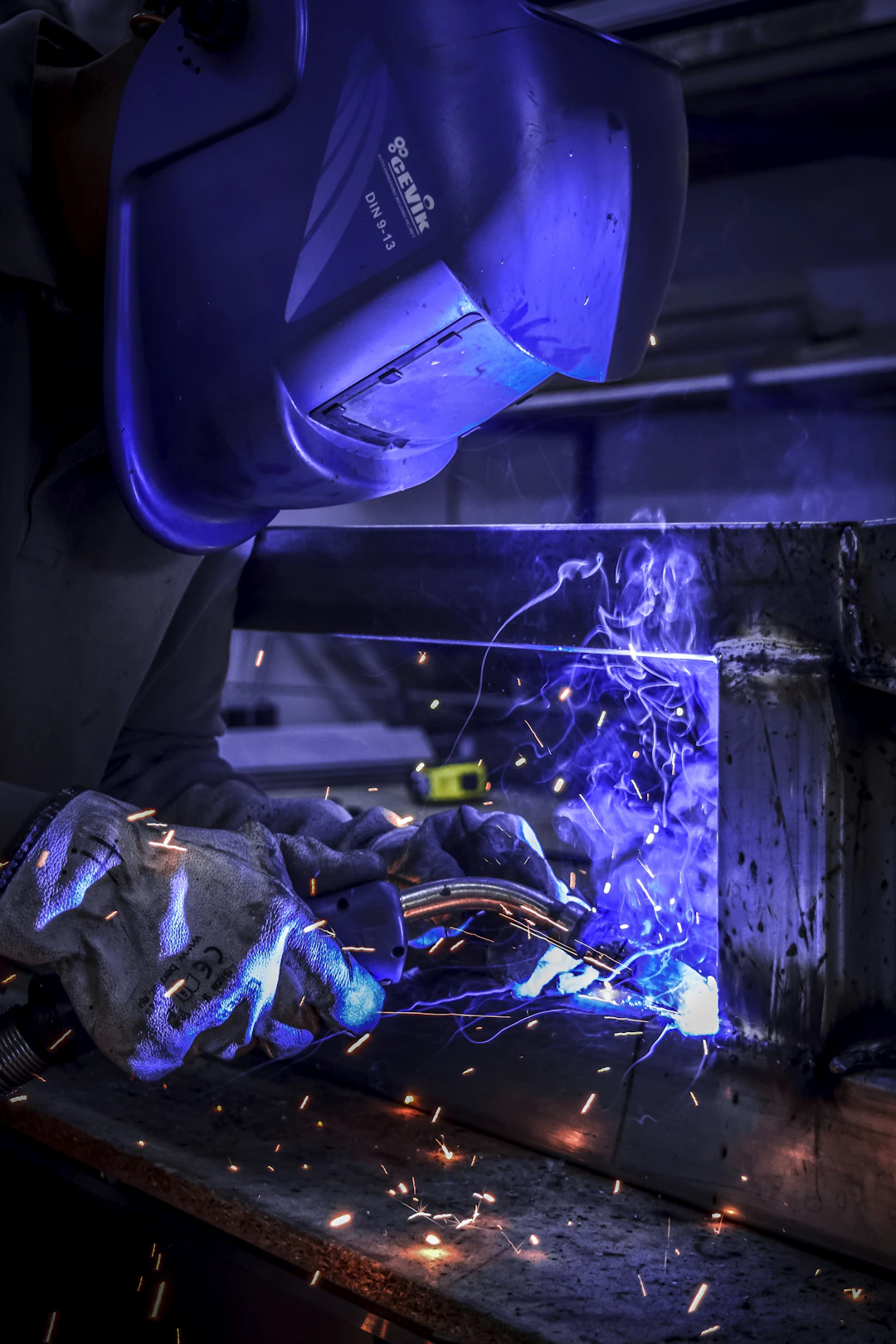
MIG Welding (Metal Inert Gas): This is a popular choice for beginners due to its ease of use. It employs a continuous feed of wire that acts as both electrode and filler material.
TIG Welding (Tungsten Inert Gas): This method provides greater control over the welding process, making it ideal for intricate designs and thinner materials.
Stick Welding: A robust and versatile method suitable for outdoor welding, with the ability to work on rusty materials.
Flux-Cored Arc Welding: Primarily used in pipe welding and construction, it is similar to MIG welding but uses a tubular wire filled with flux.
Essential Steps in the Welding Set Up
A successful welding job begins with meticulous planning and preparation. Here’s a breakdown of the essential steps to follow during the welding set up:
1. Gather the Necessary Equipment
Before you start welding, ensure that you have all the tools and materials ready. Basic items include:
Welding machine
Electrodes/Welding wire
Protective gear (helmet, gloves, aprons)
Clamps and supports
Angle grinder for finishing
2. Choose and Prepare Your Workspace
Your workspace is crucial for efficient welding. Make sure it’s clean, well-ventilated, and free of flammable materials. For those considering mobile welding, ensure you have safe power sources and adequate space to set up your equipment.
3. Clean the Surfaces
Before welding, clean the metal surfaces to remove any dirt, grease, or oxidation. Using a wire brush or grinder is often sufficient to prepare the surfaces for a strong weld.
Welding Techniques
Once your workspace is set and you have the right materials, it's time to work on your welding techniques. Each welding method has its specific techniques to master.
1. Setting the Correct Voltage and Current
Whether you’re using MIG, TIG, or stick welding, adjusting the voltage and current is essential. The right settings will depend on the type and thickness of the metal you’re working with.
2. Angle and Speed
The angle of your welding torch and the speed at which you move can significantly affect the quality of your weld. A 15 to 20 degree angle is generally recommended, along with a steady hand to maintain consistent speed.
3. Techniques for Metal Repair
Metal repair often requires specific techniques tailored to the metal type and location of the damage. Creating a clean groove or bevel is critical for ensuring a strong weld. Moreover, overlapping welds can help fill in gaps in repair areas.
Pipe Welding: A Specialized Skill
Among the various welding applications, pipe welding is a specialized skill that requires precision and expertise. It often involves welding cylindrical pieces of metal together, which can present unique challenges.
Key Techniques for Pipe Welding
Positioning: Understanding pipe positions (1G, 2G, 5G, and 6G) is vital for achieving strong welds under various circumstances.
Root Pass: This first layer of weld must be narrow and deep enough to penetrate the base metal.
Filler Pass: It follows the root pass and builds up the weld to the required thickness.
Safety First: Protective Gear and Precautions
Safety is paramount when welding. Without proper precautions, the process can result in serious injuries. Here are some essential guidelines:
Always wear a welding helmet with a suitable shade to protect your eyes from bright arcs.
Use flame-resistant clothing to prevent burn injuries.
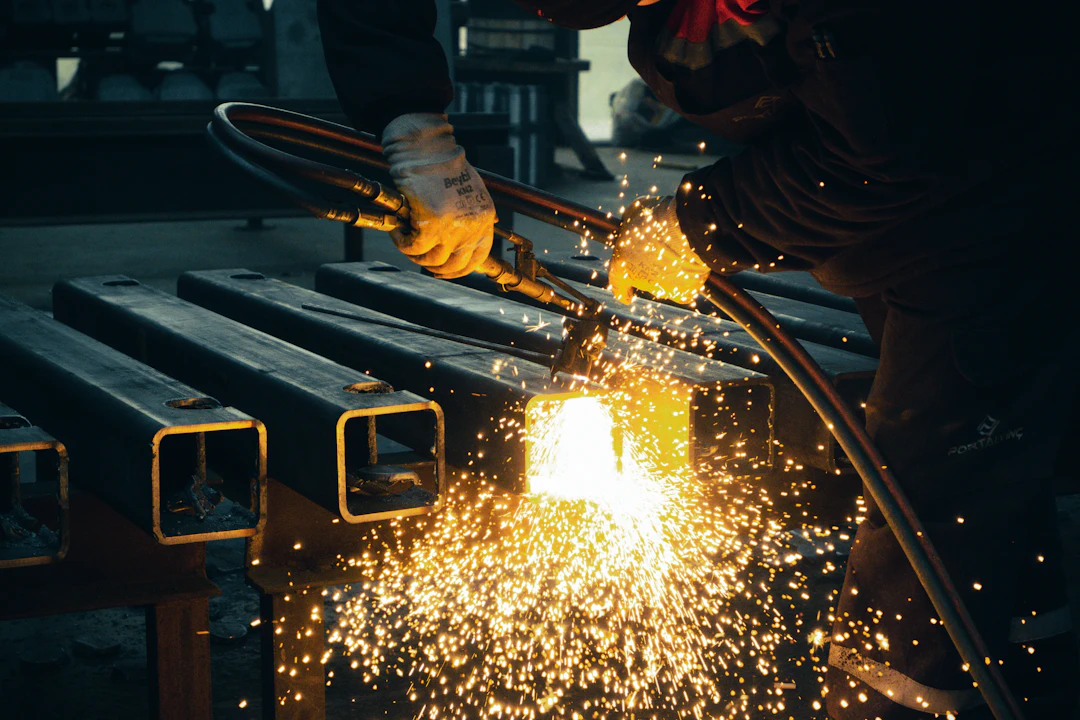
Invest in high-quality gloves to shield your hands from heat and sparks.
Have fire extinguishers available, as welding can generate sparks that may ignite flammable materials.
The Importance of Practicing Welding Techniques
The road to mastering welding is paved with practice. Start with simple projects and gradually progress to more complex tasks. Utilize scrap metals to familiarize yourself with different techniques and settings before embarking on significant welding projects.
Utilizing Online Resources and Communities
In today’s digital age, beginners can tap into a wealth of resources. Websites, forums, and online courses offer invaluable information and tips. Engaging with communities can also provide support and advice from seasoned welders.
The Journey Awaits: Dive Deeper into Welding
As you embark on this journey into the realm of welding, remember that every expert was once a beginner. The skills and techniques you develop will not only enhance your metal repair capabilities but can also open doors to various opportunities, including mobile welding services. Embrace the learning curve and let your welding journey be as strong and resilient as the bonds you're destined to create!
FAQs
What is welding and how does it work?
Welding is a fabrication process that involves joining metals by melting them together, which creates a strong bond as they cool. It is used in construction, manufacturing, and metal repair.
What are the main types of welding processes?
The main types of welding processes include MIG welding, TIG welding, stick welding, and flux-cored arc welding, each suitable for different applications and materials.
What equipment is necessary for welding?
Essential equipment for welding includes a welding machine, electrodes or welding wire, protective gear (helmet, gloves, aprons), clamps, supports, and an angle grinder for finishing.
What safety precautions should be taken when welding?
Safety precautions when welding include wearing a helmet with the appropriate shade, using flame-resistant clothing, wearing high-quality gloves, and having fire extinguishers on hand to address sparks.
How can beginners improve their welding skills?
Beginners can improve their welding skills by practicing with simple projects, utilizing scrap metals, and engaging with online resources and communities for tips and advice.
Comments